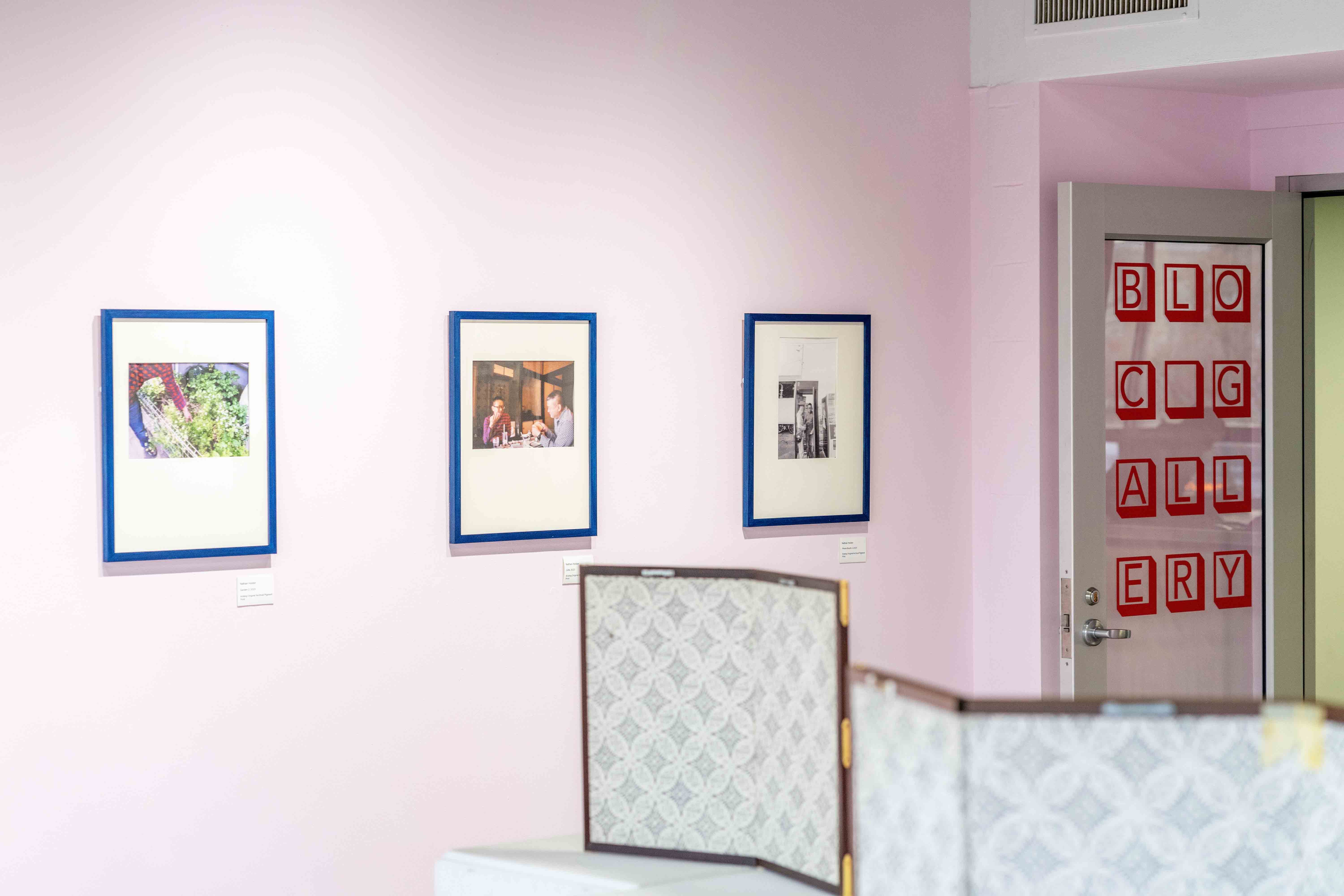
flower shops
& phone booths
2023
For the Fall 2022 and Spring 2023 semesters I studied abroad in Kobe, Hyogo, Japan. For the first few months of my stay, I was unfocused on creating new work, though I had the idea of shooting a project on gay relationships. My curiosity in the subject began when I learned that gay marriage is not legal in Japan nor any other East-Asian country aside from Taiwan. That surprised me, as I think it surprises many people, due to the commonly held western perception that Japan is a country far more advanced than others, or at least The United States. In several ways, though, gay marriage being one example, Japan is far more conservative than one might expect.
 e
analog original archival pigment print
 g
analog original archival pigment print
 g
analog original archival pigment print
 g
analog original archival pigment print
 p
analog original archival pigment print
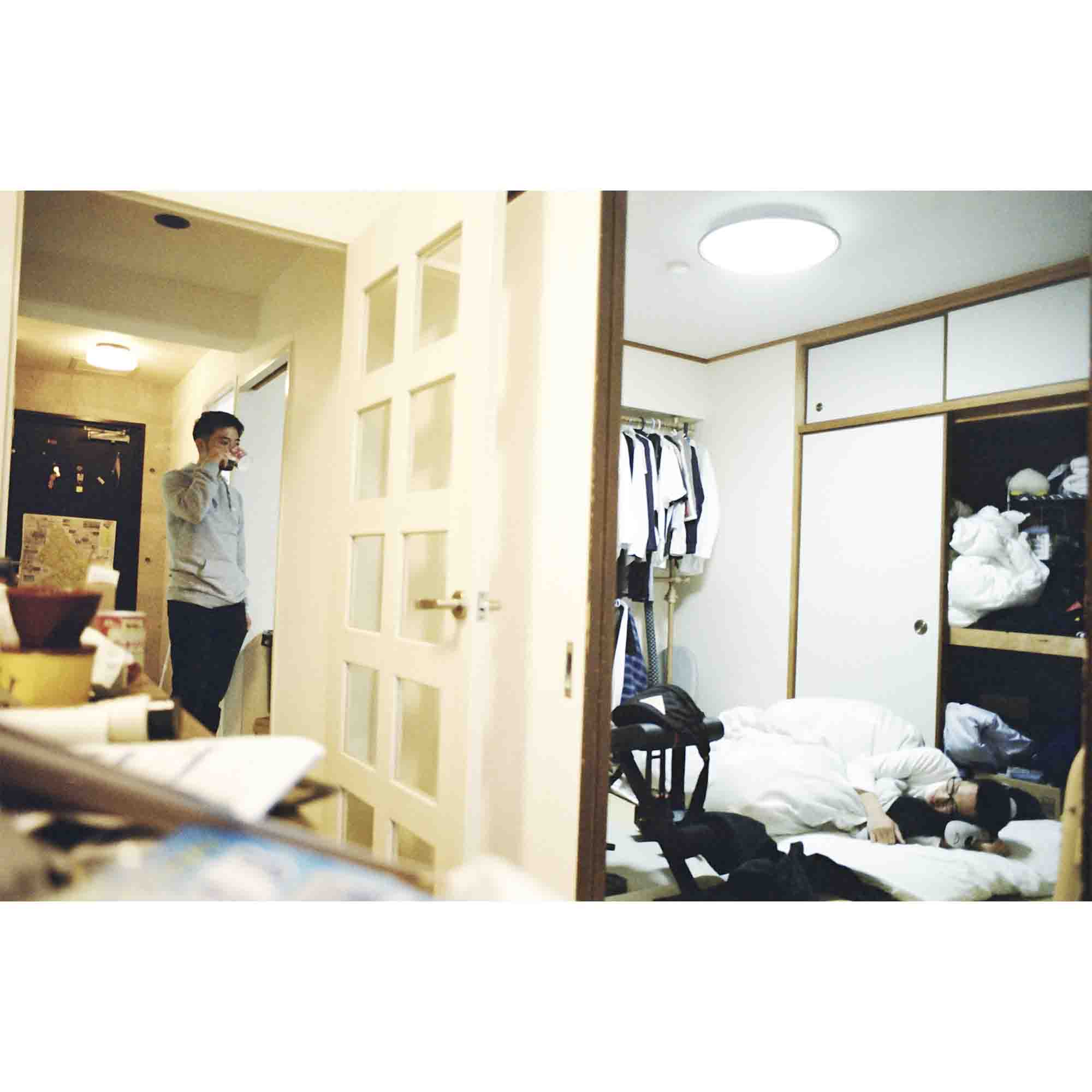 f
analog original archival pigment print
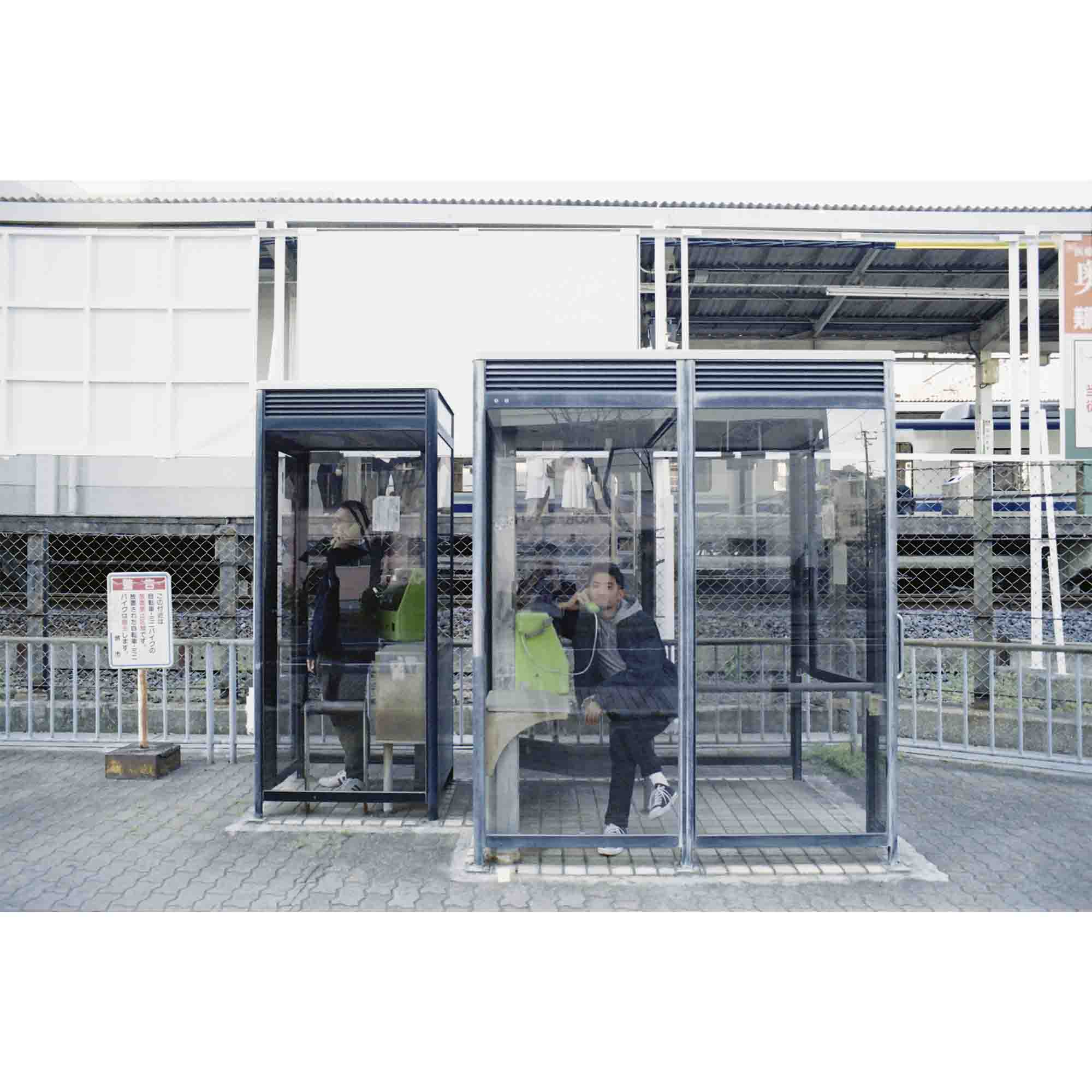 p
analog original archival pigment print
 f
analog original archival pigment print
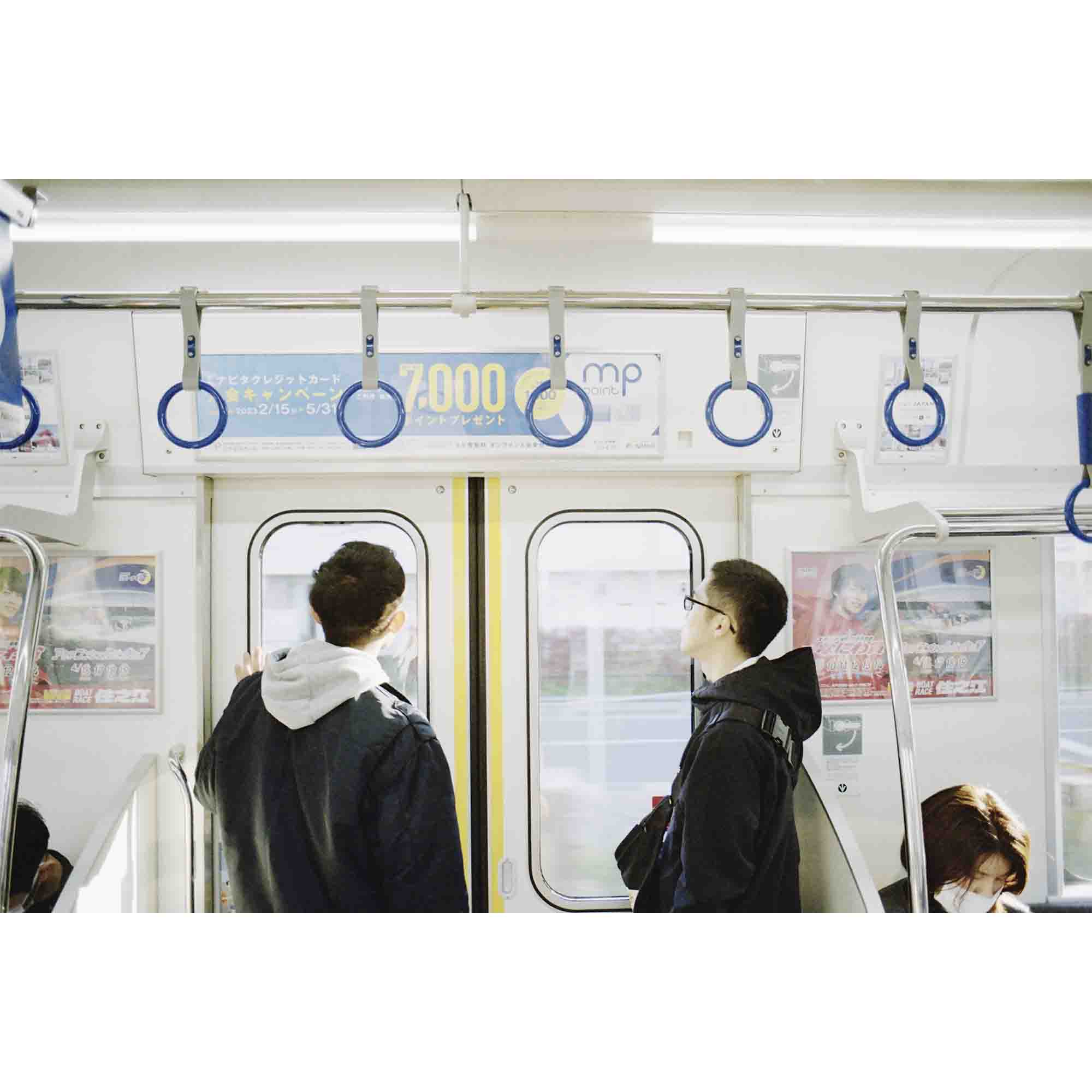 t
analog original archival pigment print
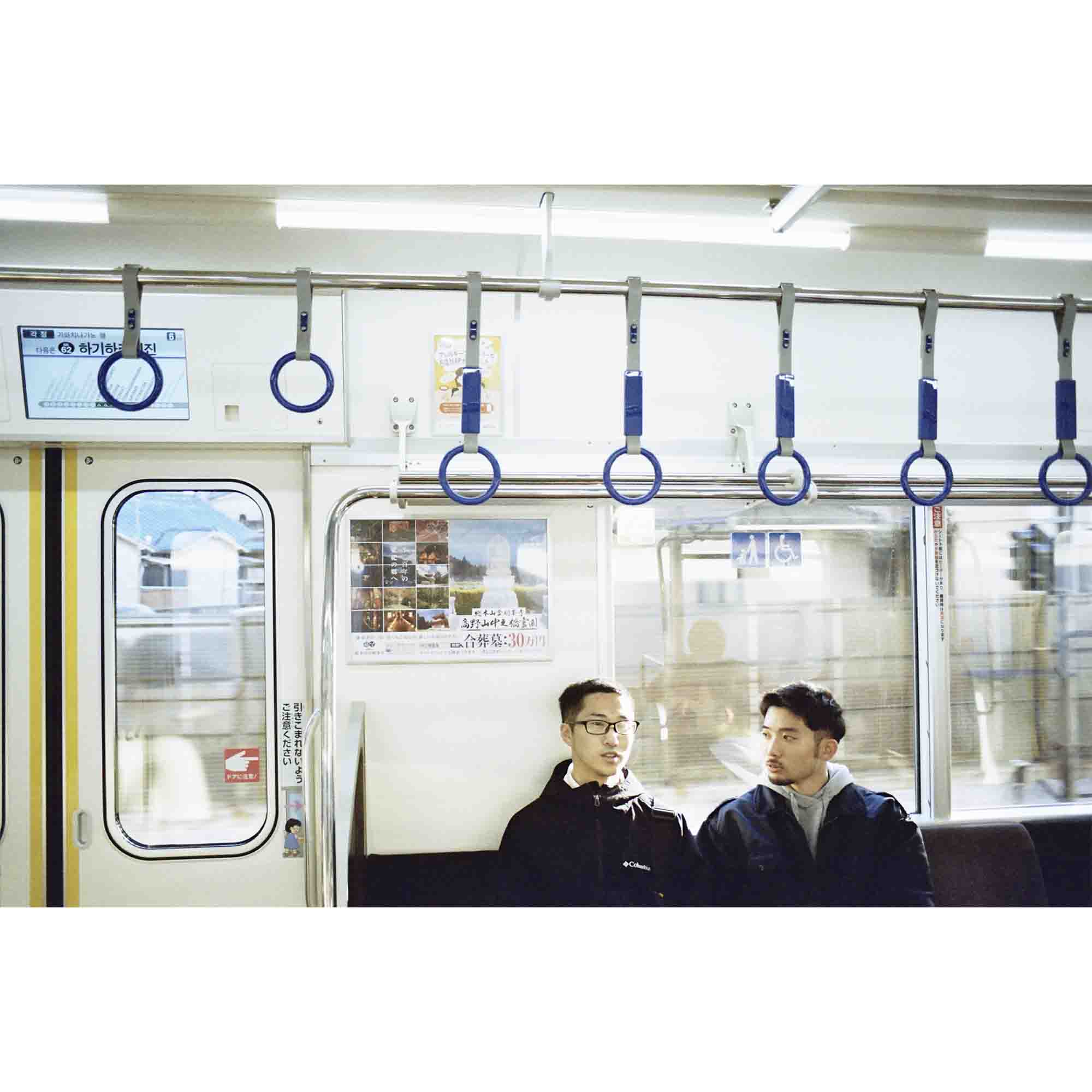 t
analog original archival pigment print
 e
analog original archival pigment print
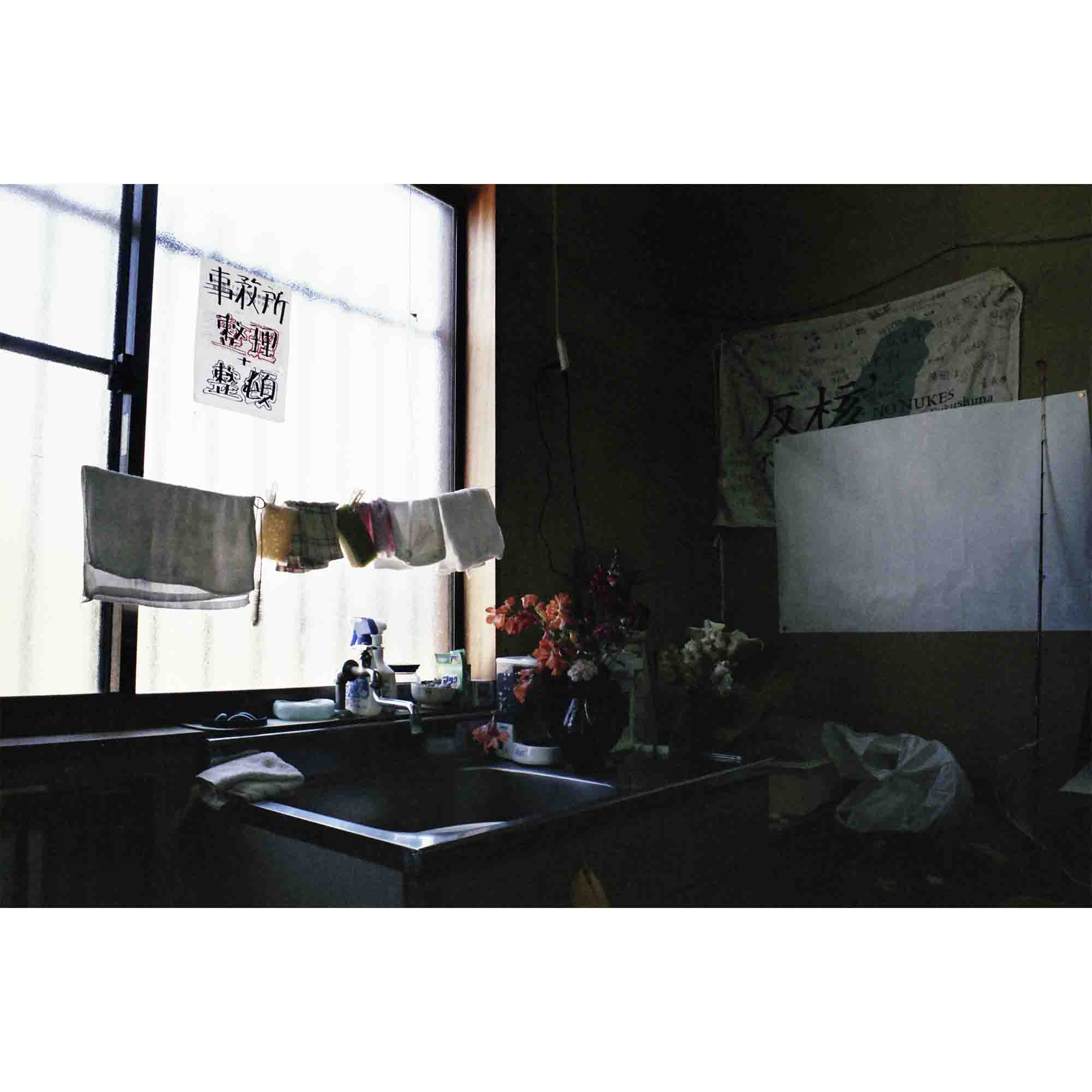 c
analog original archival pigment print
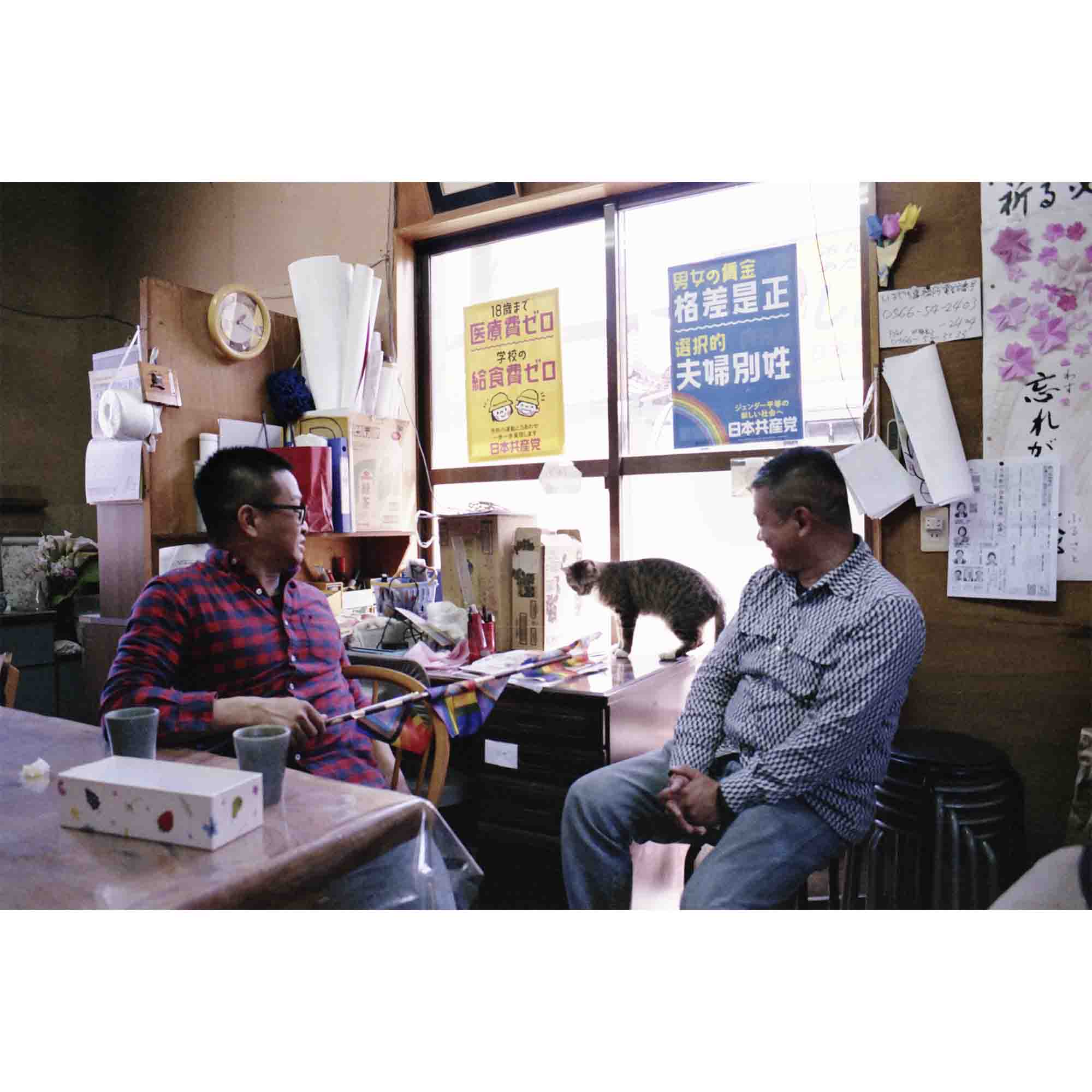 c
analog original archival pigment print
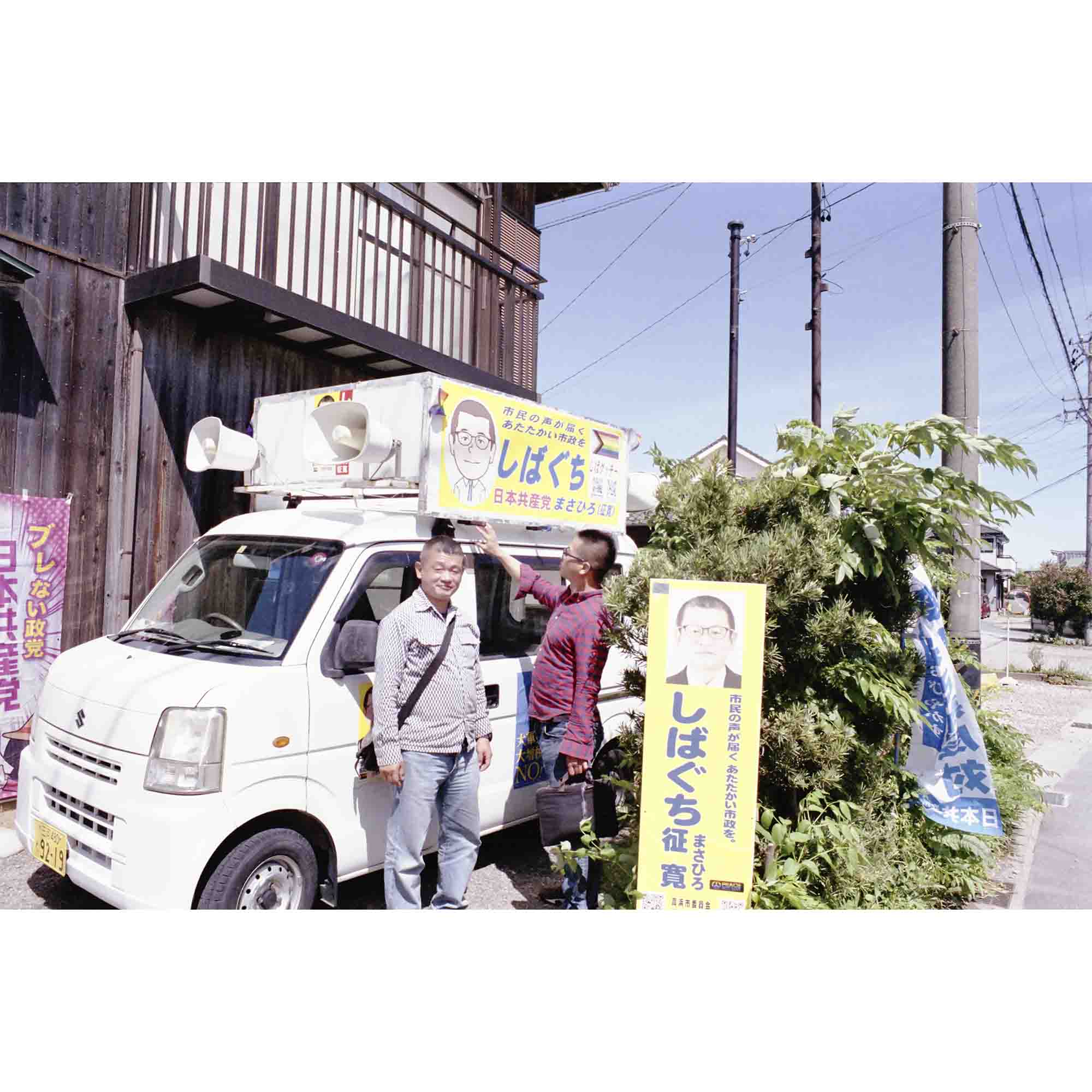 c
analog original archival pigment print
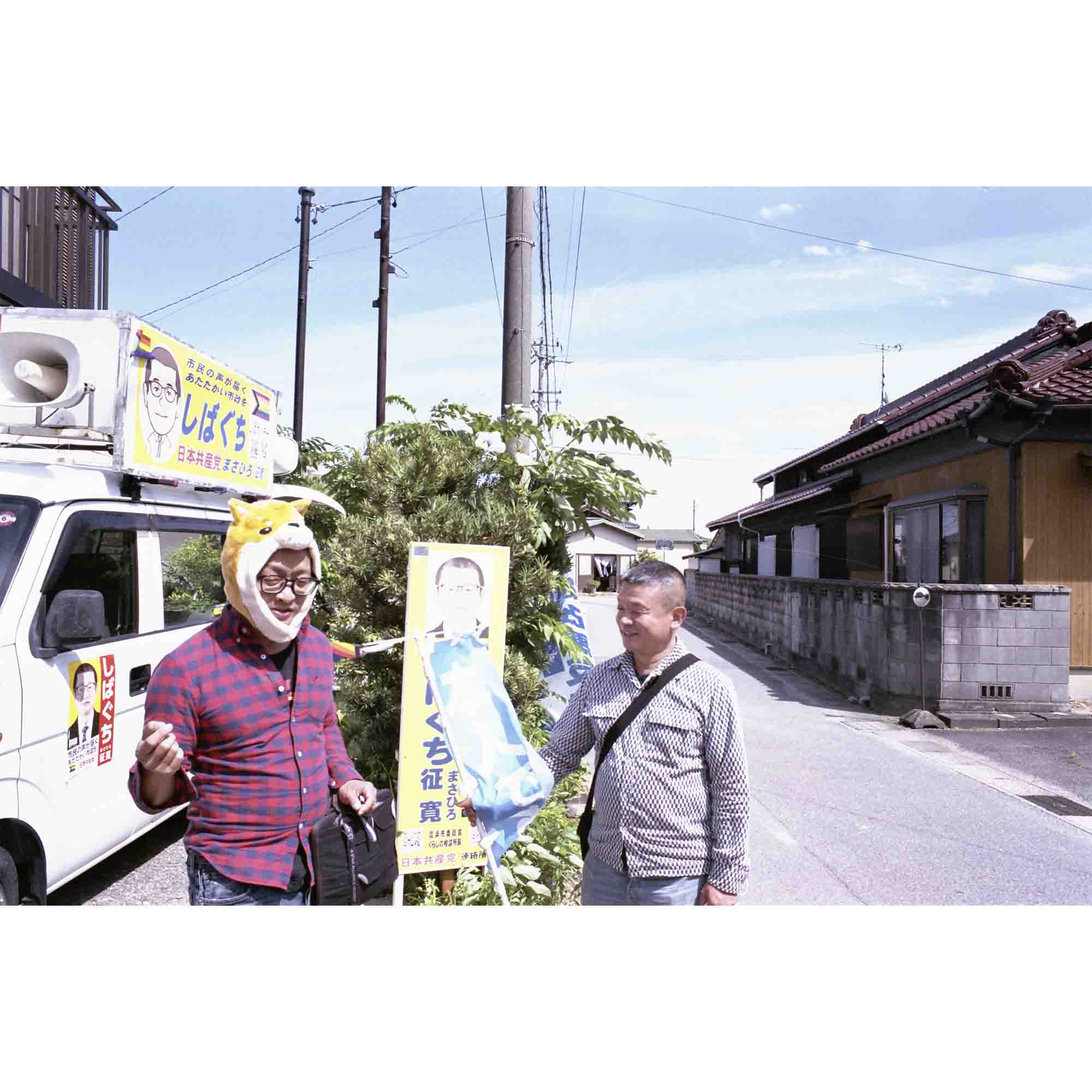 c
analog original archival pigment print
 u
analog original archival pigment print
 c
analog original archival pigment print
 g
analog original archival pigment print
 c
analog original archival pigment print
 p
analog original archival pigment print
 c
cyanotype, analog original pigment print, tape on silk screen
 h
cyanotype, analog original pigment print, tape on silk screen
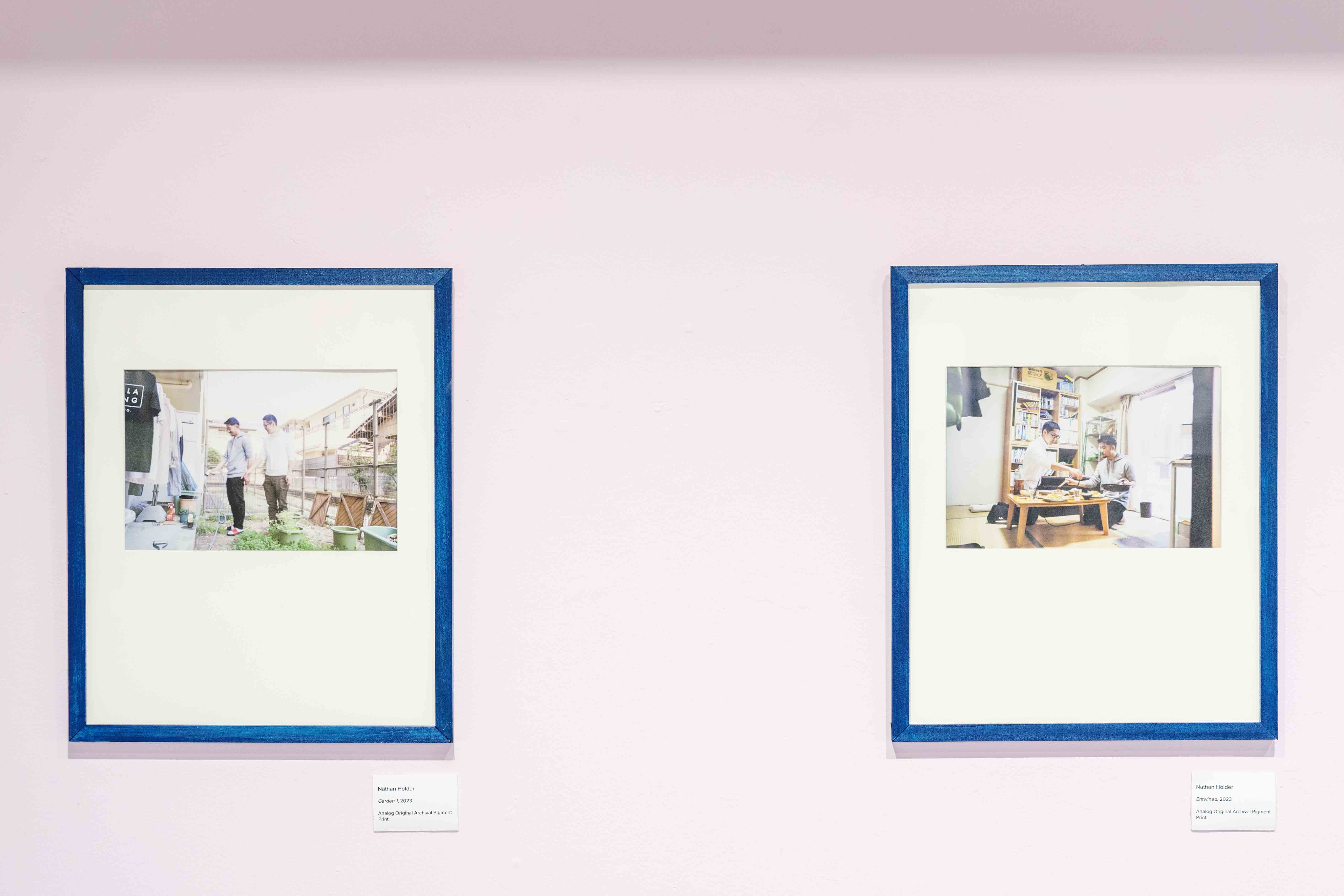
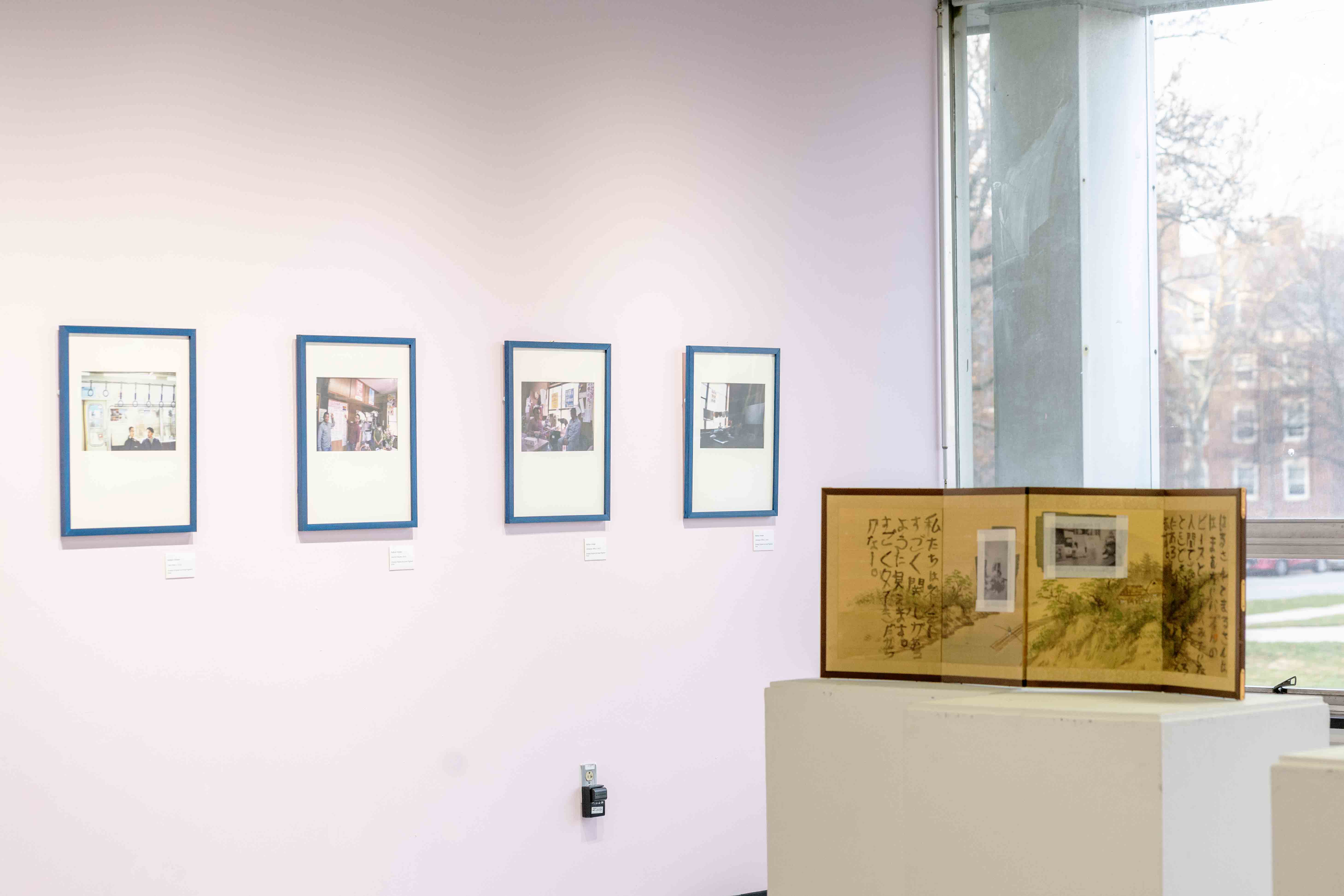
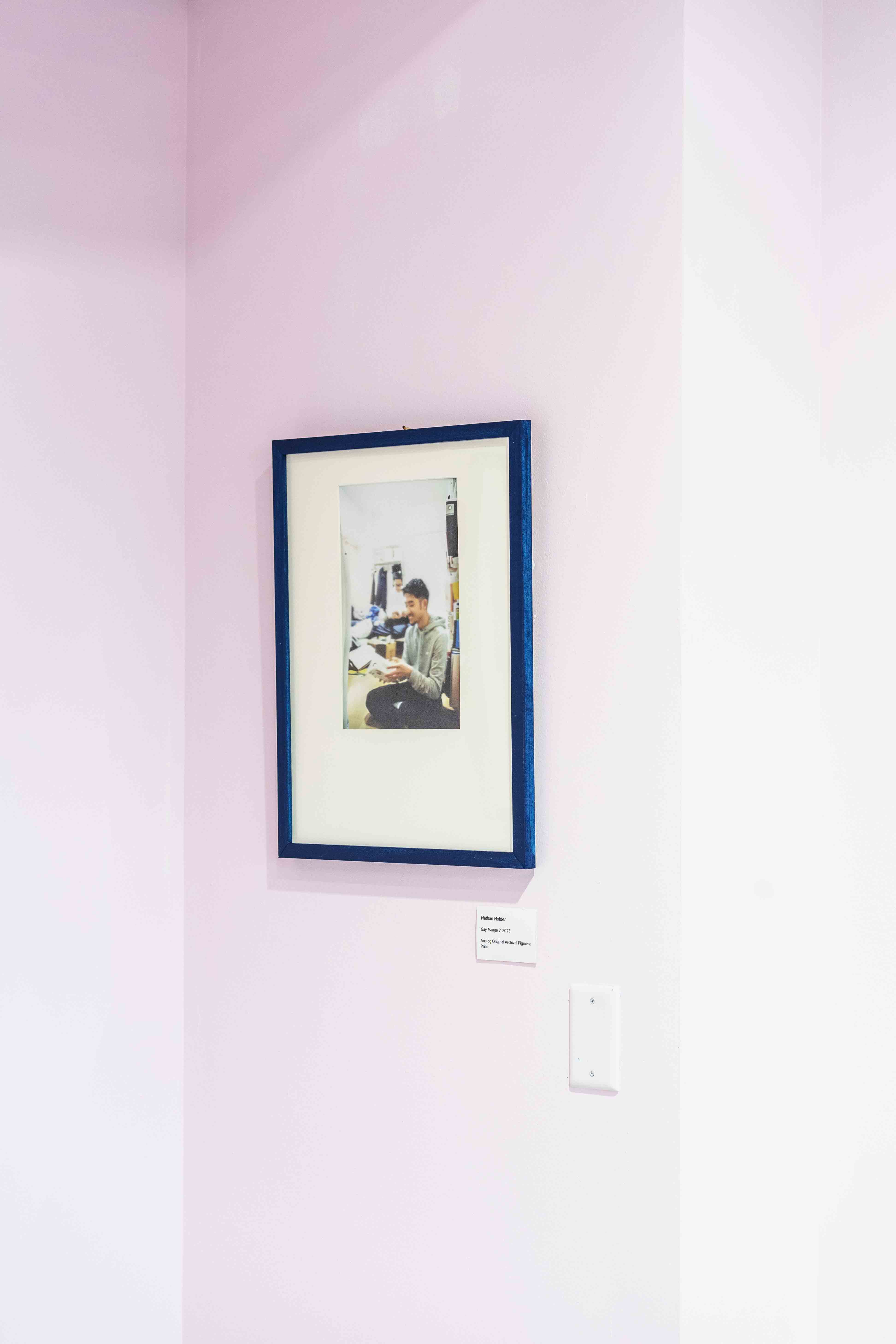
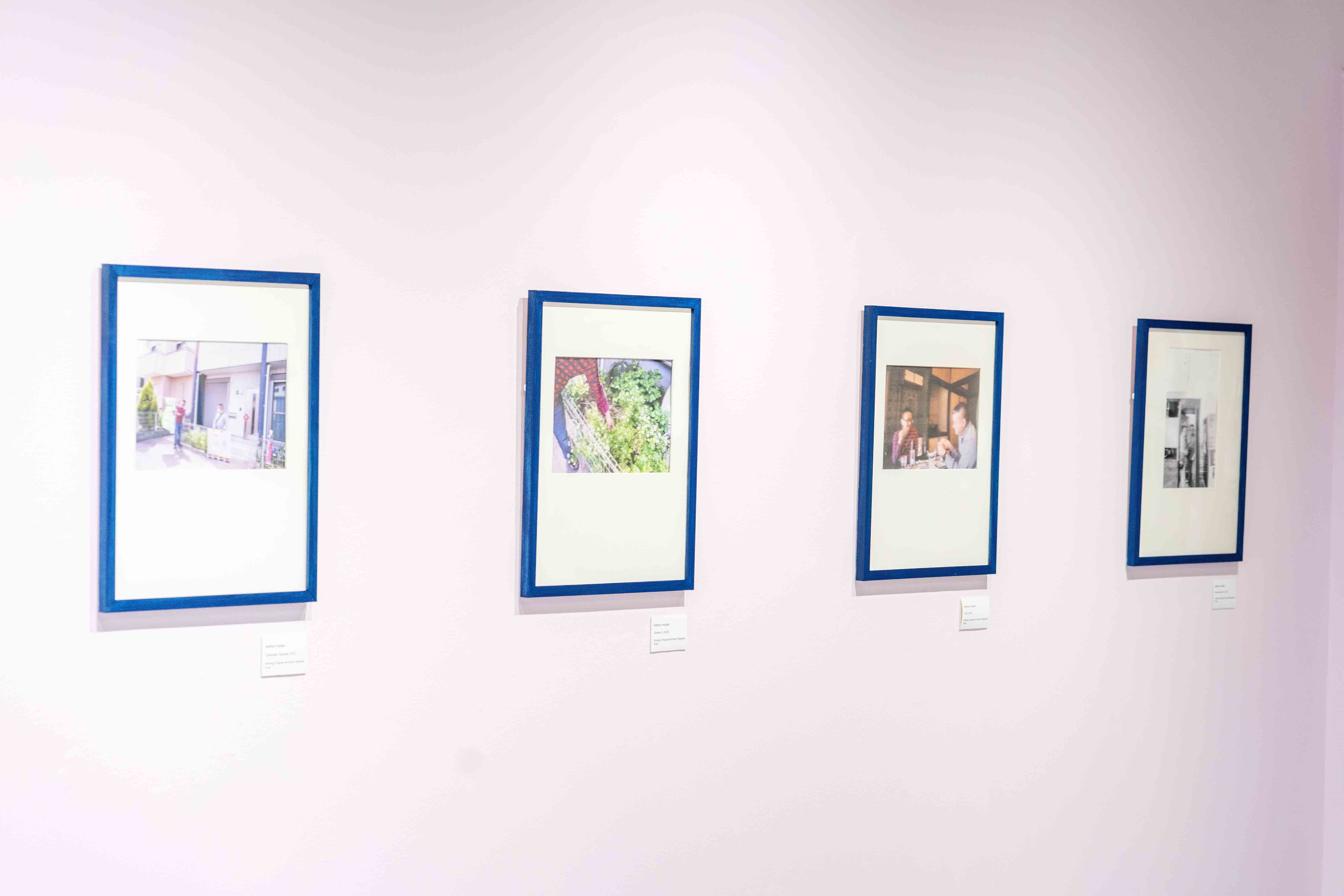
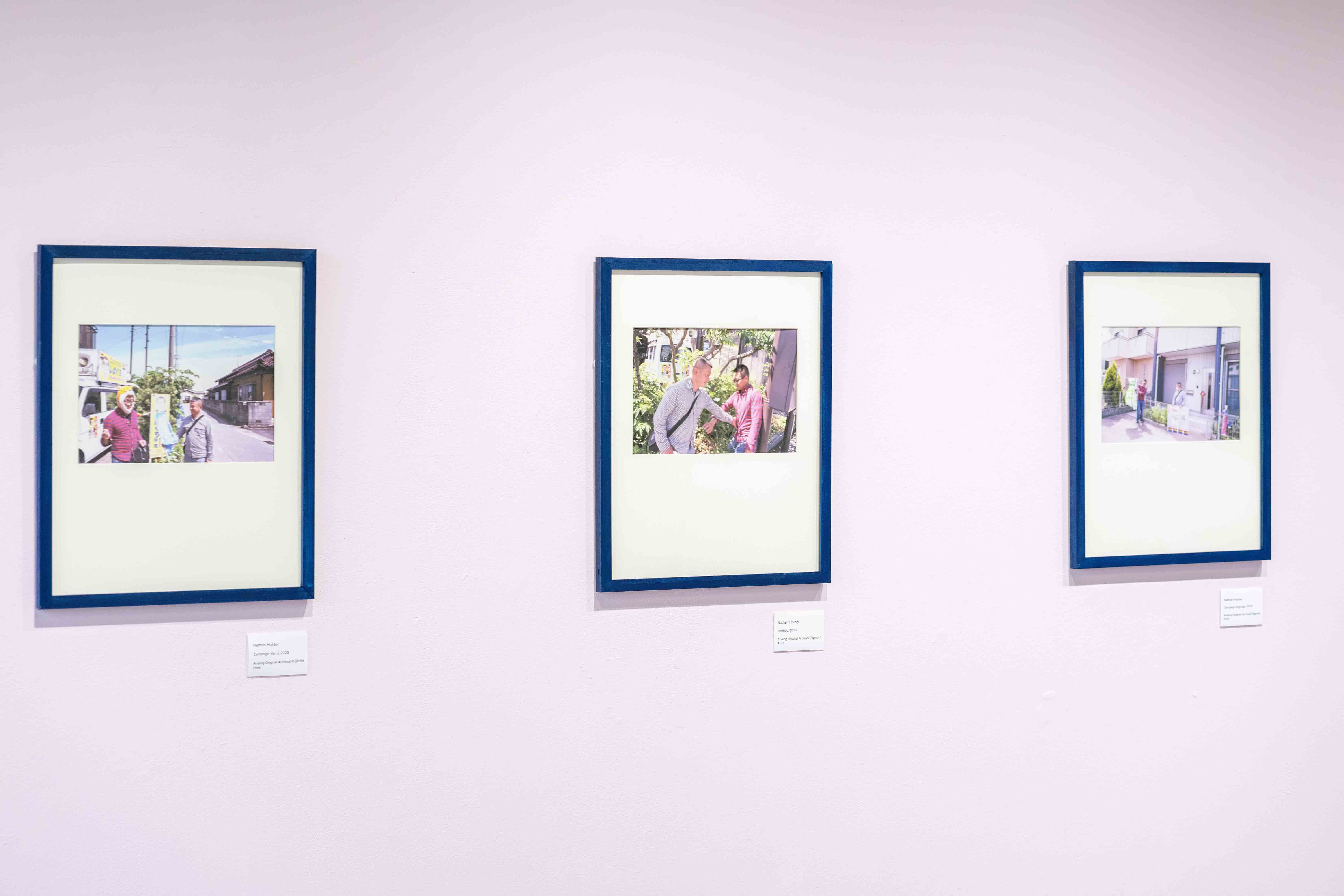
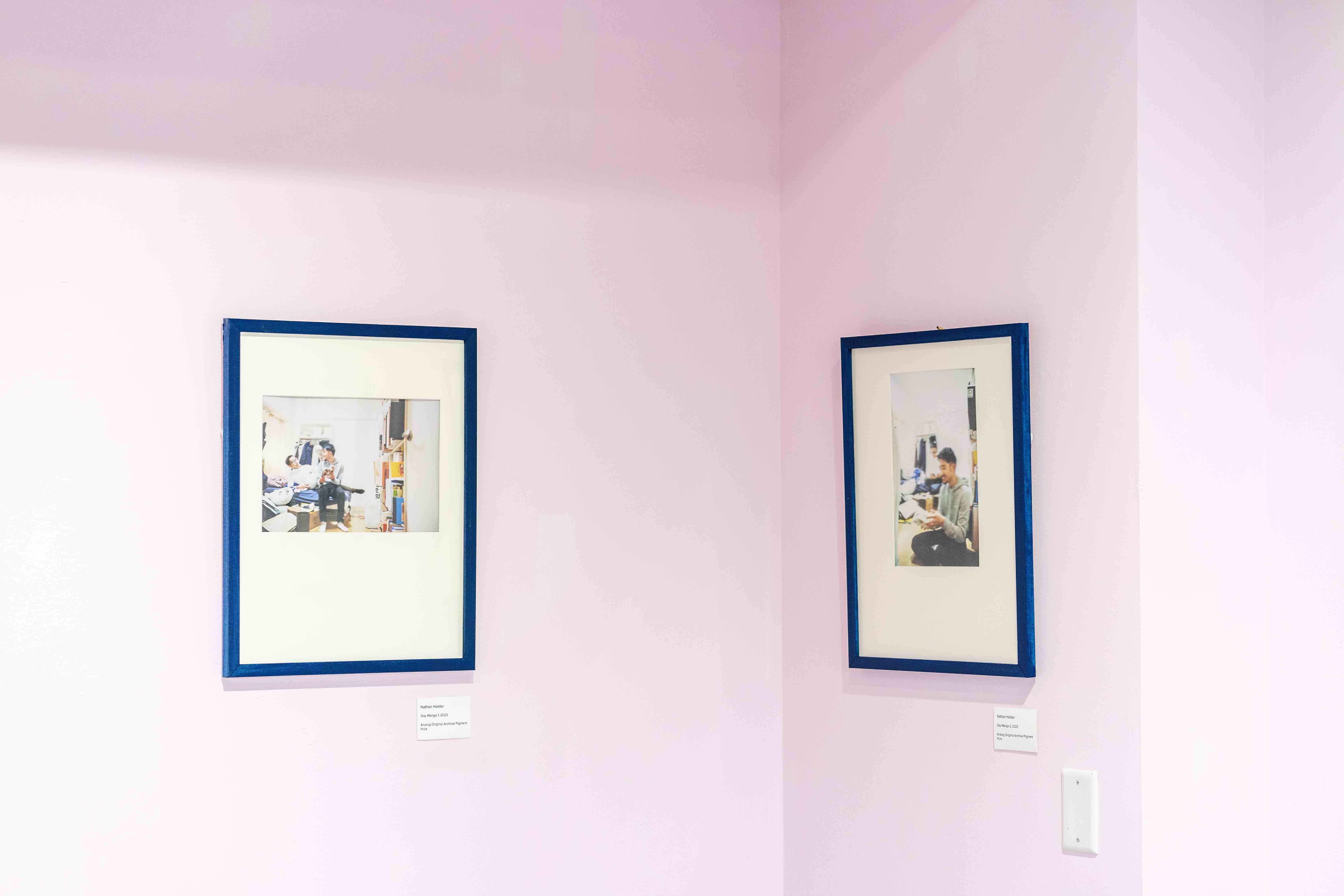
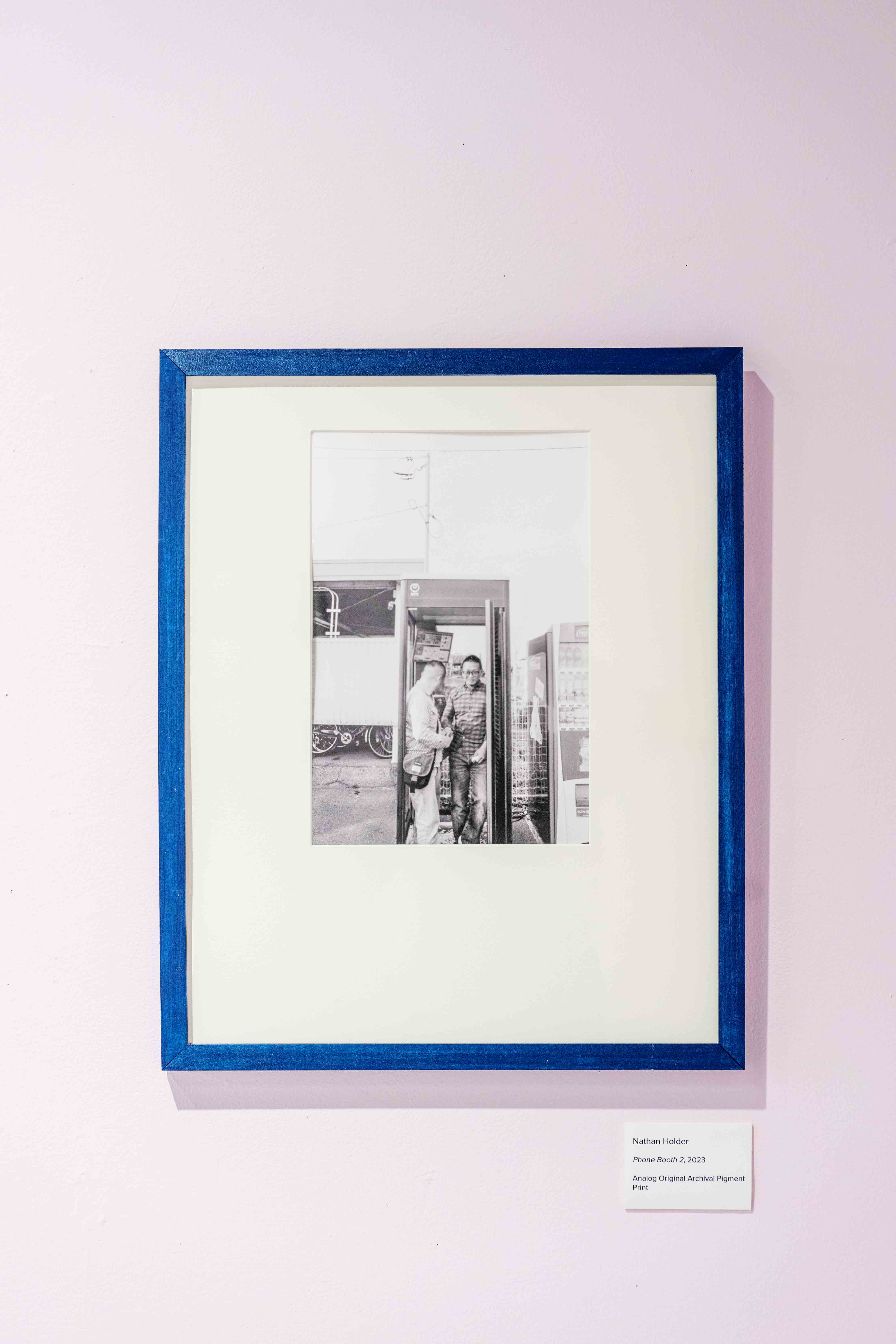
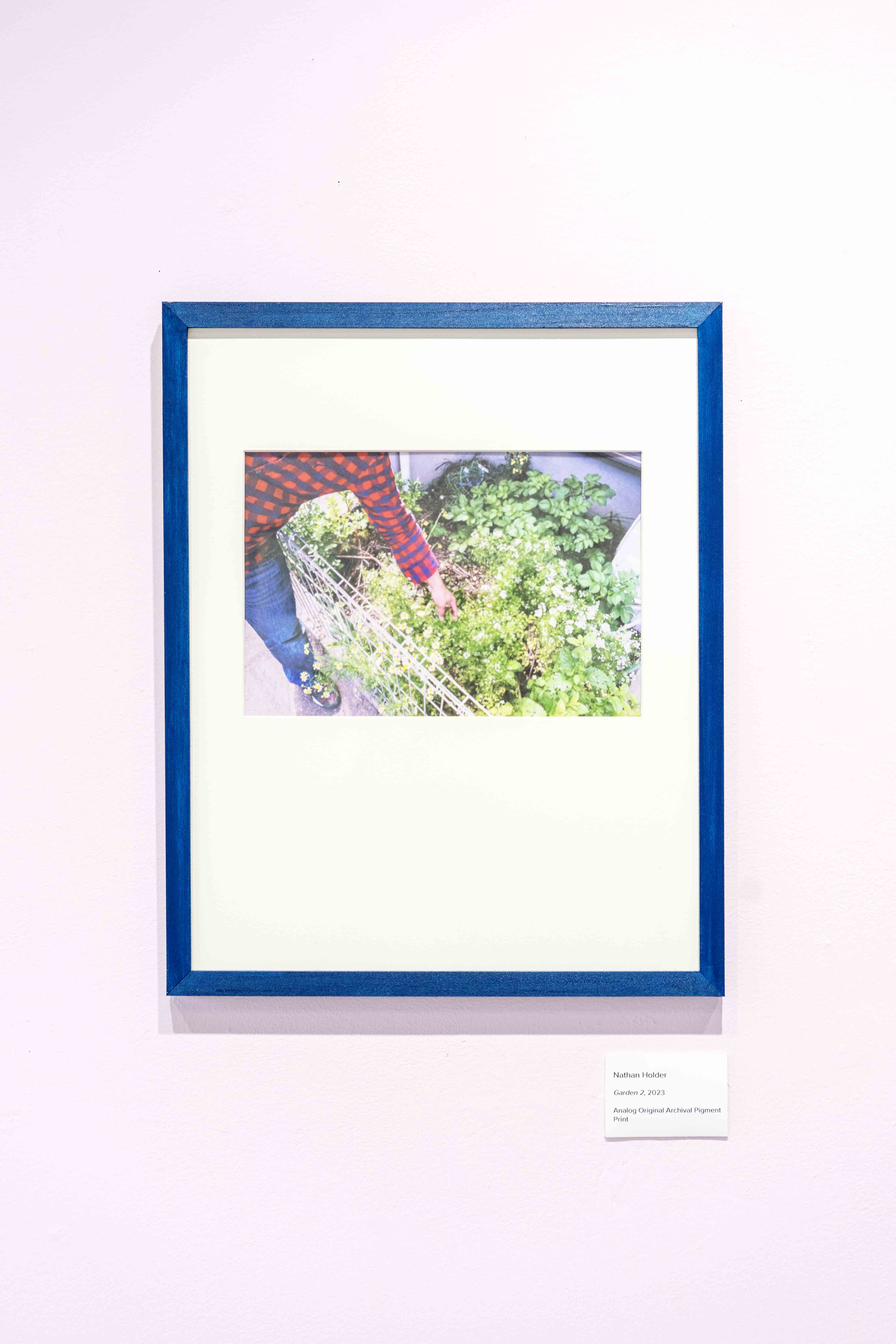
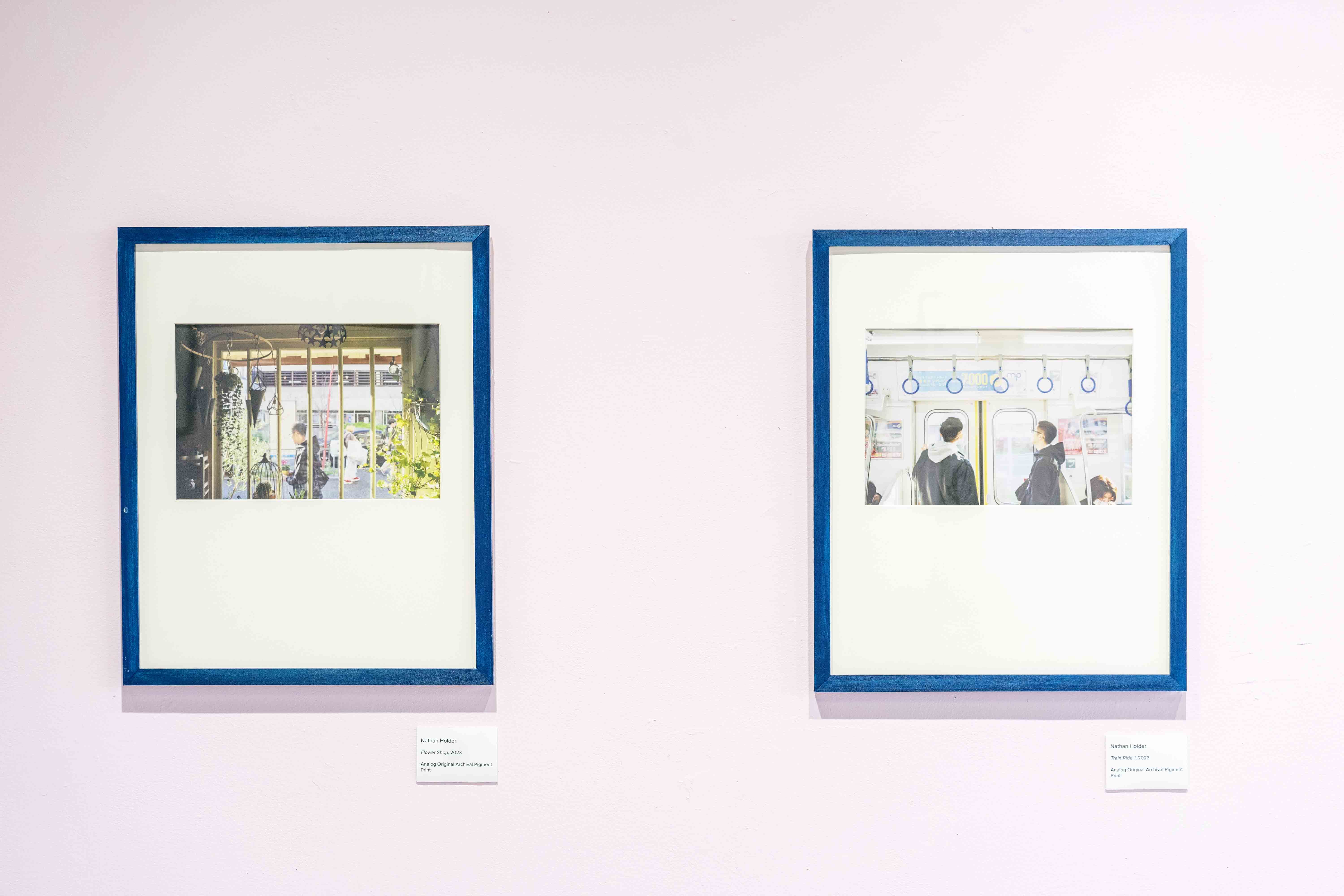
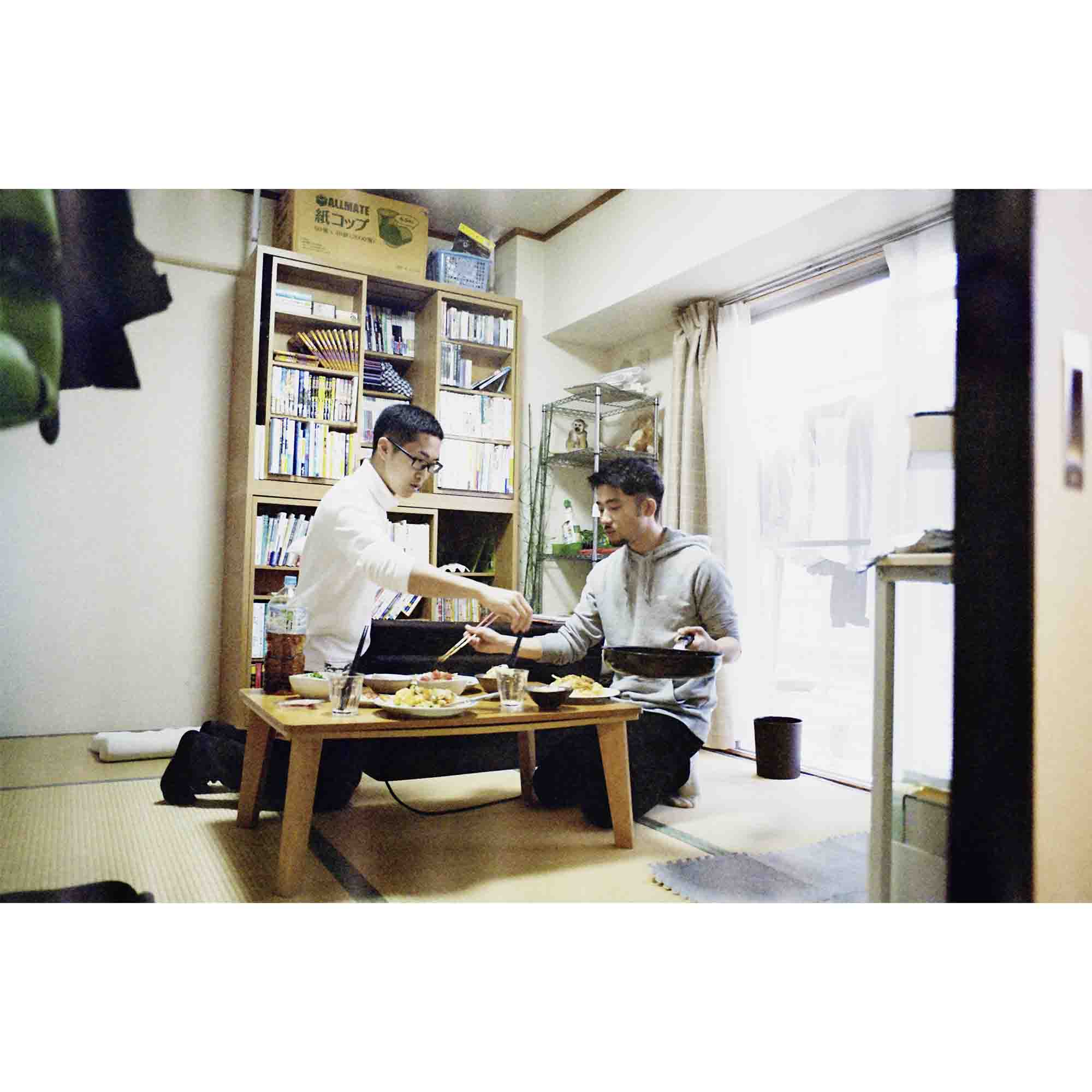
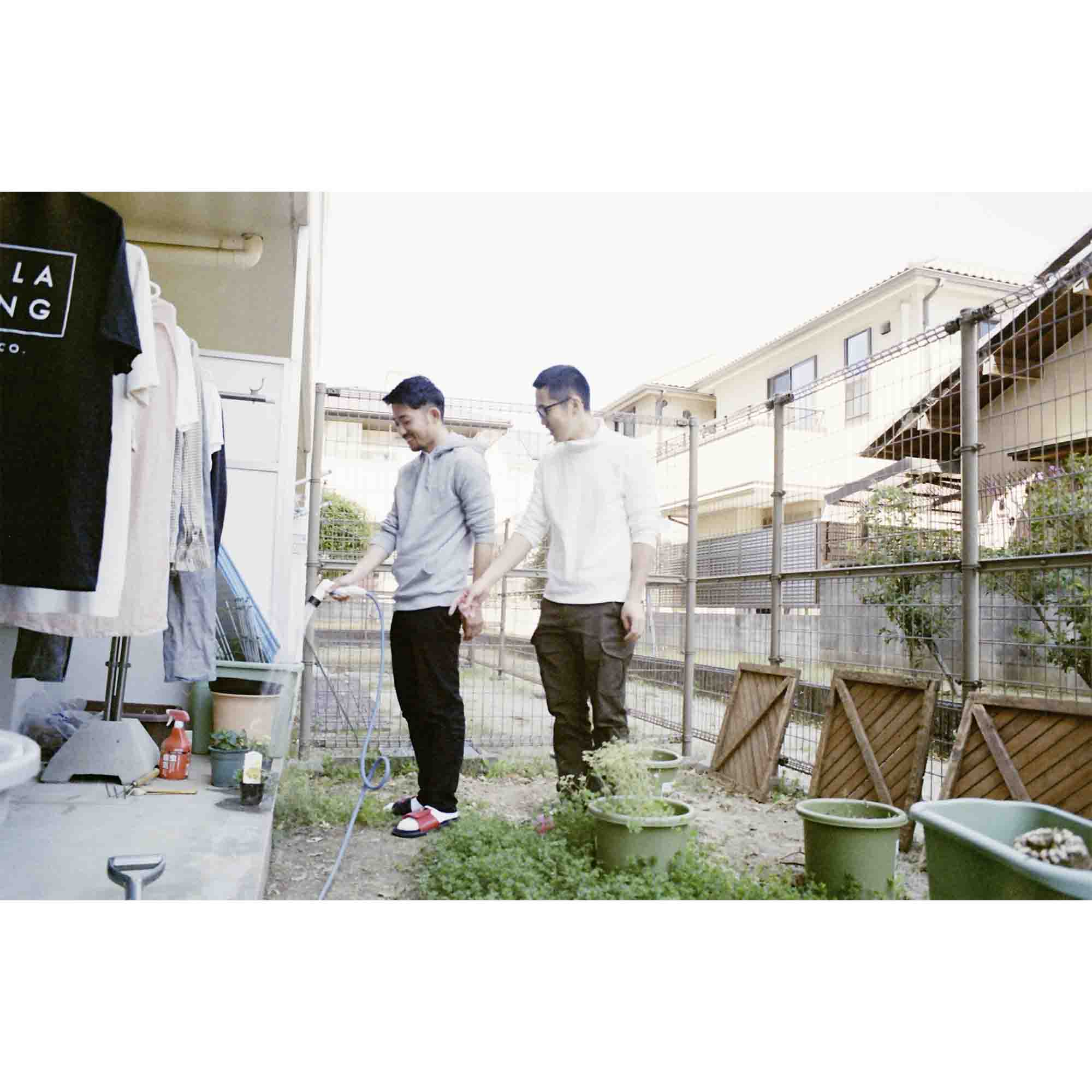
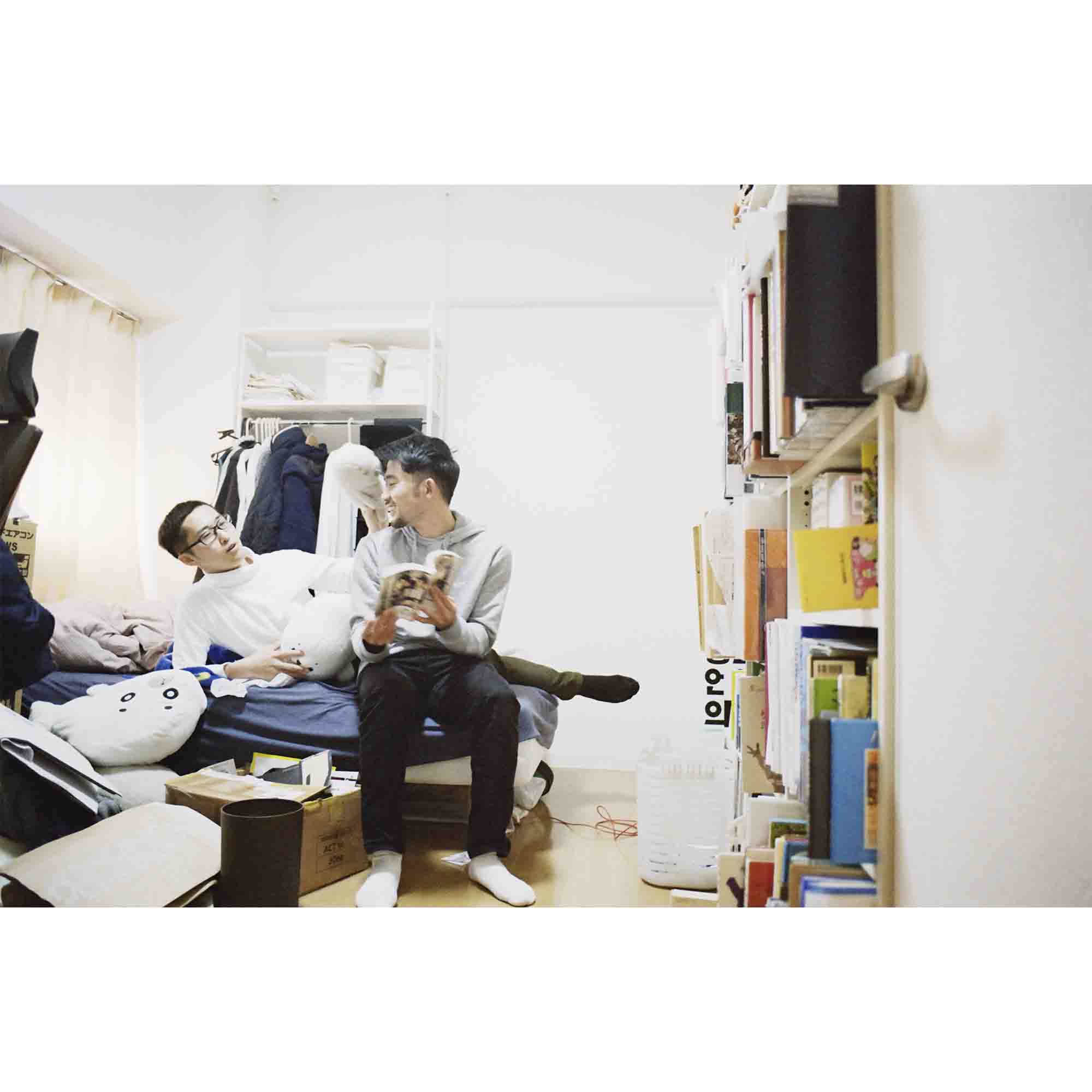
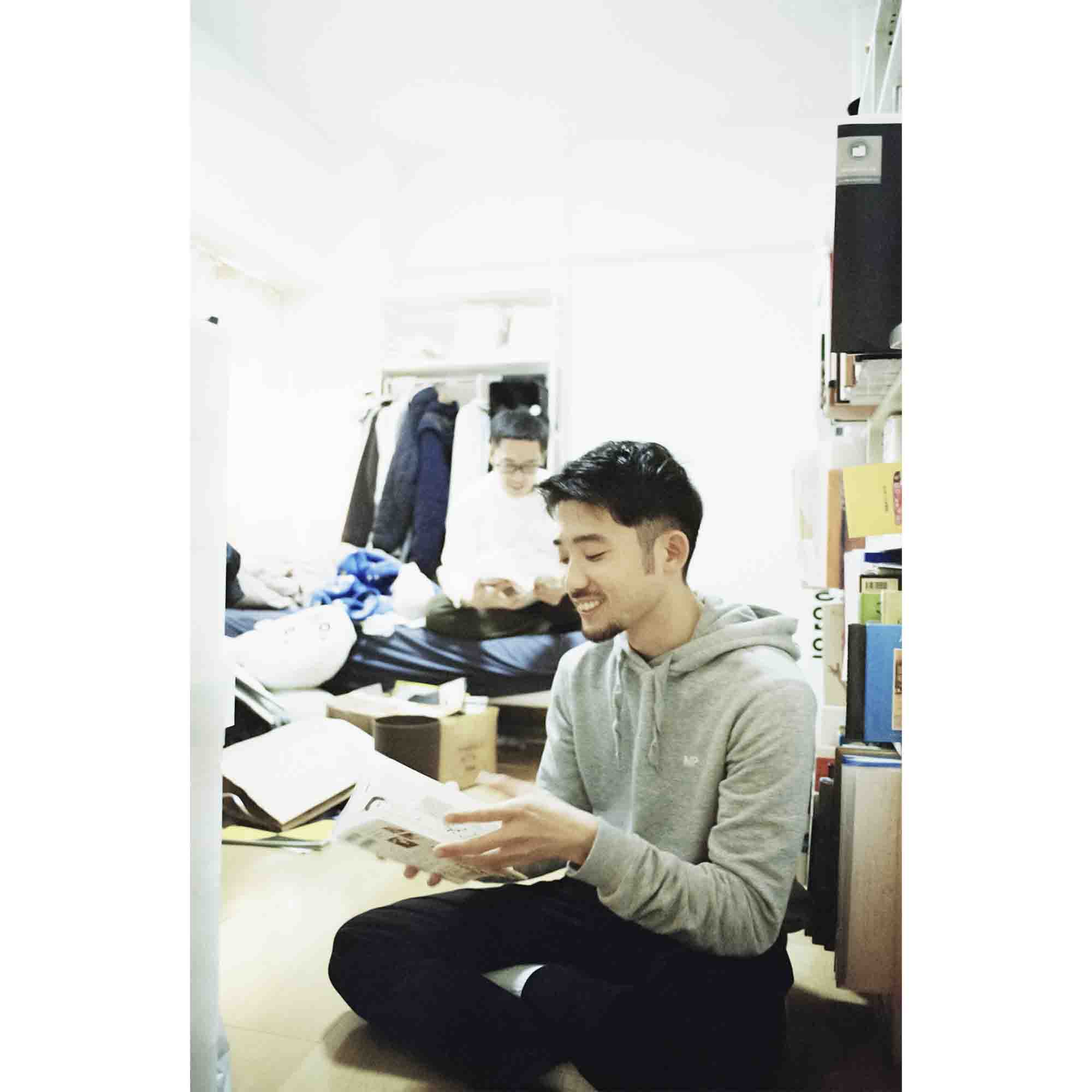
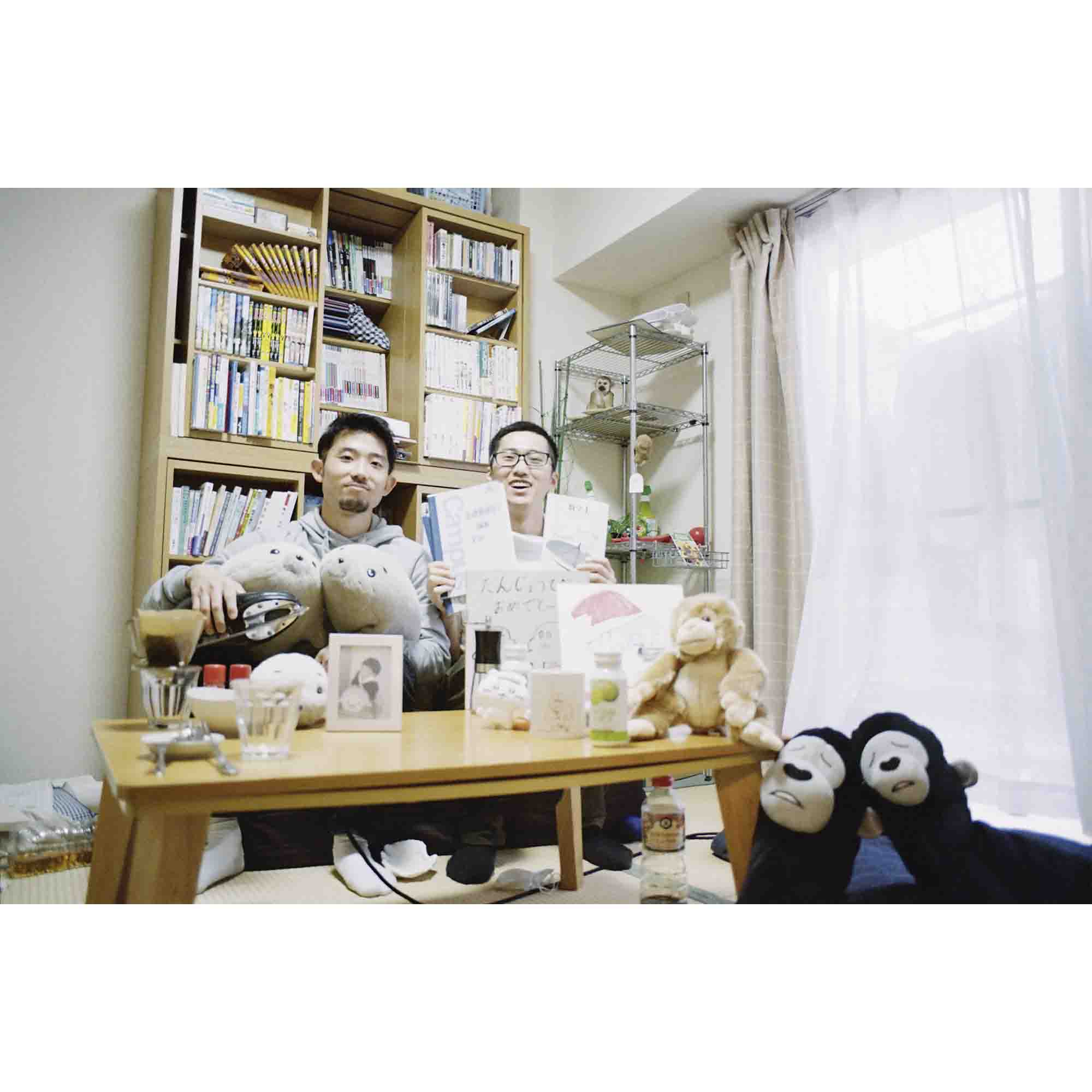
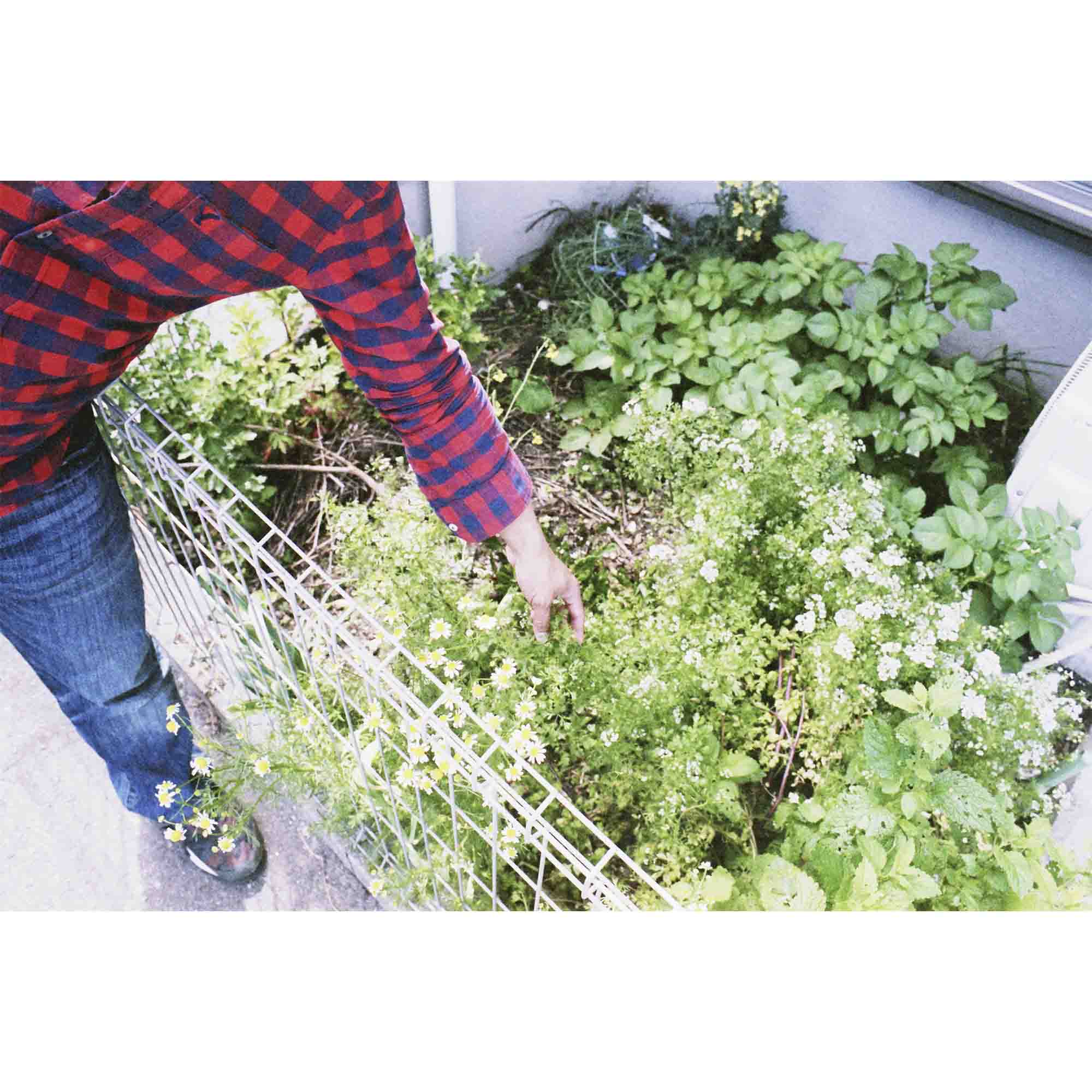
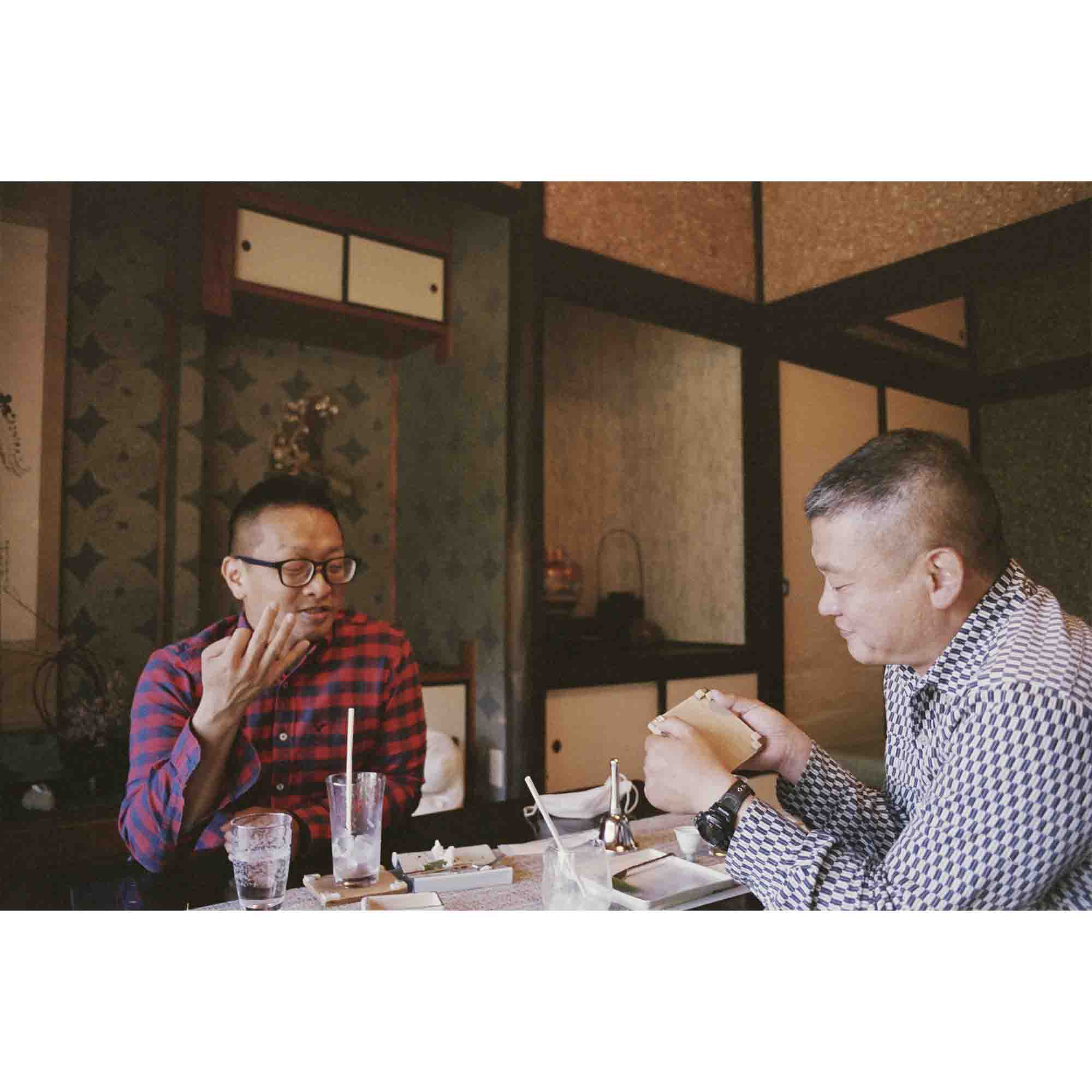
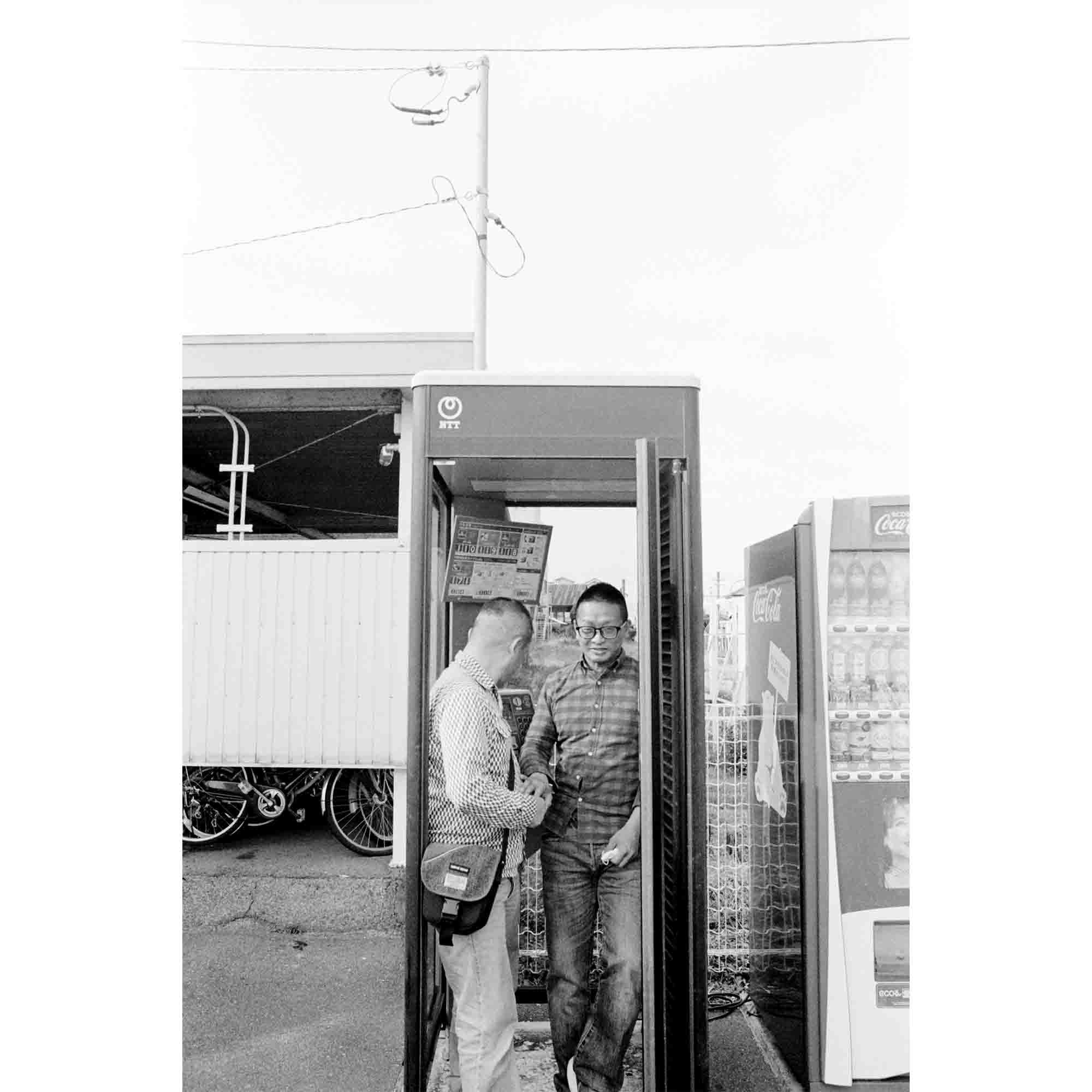
Japan's prime minster, Fumio Kishida, has stated multiple times that he has no intention of legalizing gay marriage due to the danger of Japanese families straying from “traditional” values, a phrase I found frustratingly similar to statements made by American politicians. In a way, I understand the statement. Japan is a country inseparable from tradition, especially from a foreigner’s perspective. The concept of family is core to Japanese values; a child living with their parents for their entire life is not uncommon. Gay marriage, then, can be seen as a threat to that system, though from what I witnessed and absorbed while living in Japan, it is incredibly frustrating to look at gay relationships as something separate from tradition. A few of the things I witnessed as being traditionally Japanese and mainstays in Japanese life, in addition to family, included flower shops, payphones, trains, cafes, and planting small gardens in outdoor pots or planters. For this project I photographed two gay couples in places they felt comfortable and natural in, occupying traditional spaces as a couple that is deemed untraditional by their government.

One of my favorite subjects to photograph is relationships. Up until this point I have been more interested in photographing my own relationships but photographing the relationships of others felt like a natural progression. For me, the most important thing to portray in photographs of relationships is vulnerability. This is simple when photographing my relationship with my girlfriend, but it becomes complicated when photographing strangers. Prior to the photoshoots I had with these two couples, we had only conversed by text or email, we shot images on the same day we met. There was also the issue of language. I am confident speaking in Japanese, though elaborating on topics such as gay marriage was beyond my level of ability, as was their ability in doing so in English. Despite these challenges, both couples were incredibly open and willing to be a part of this project, which I am so grateful for.
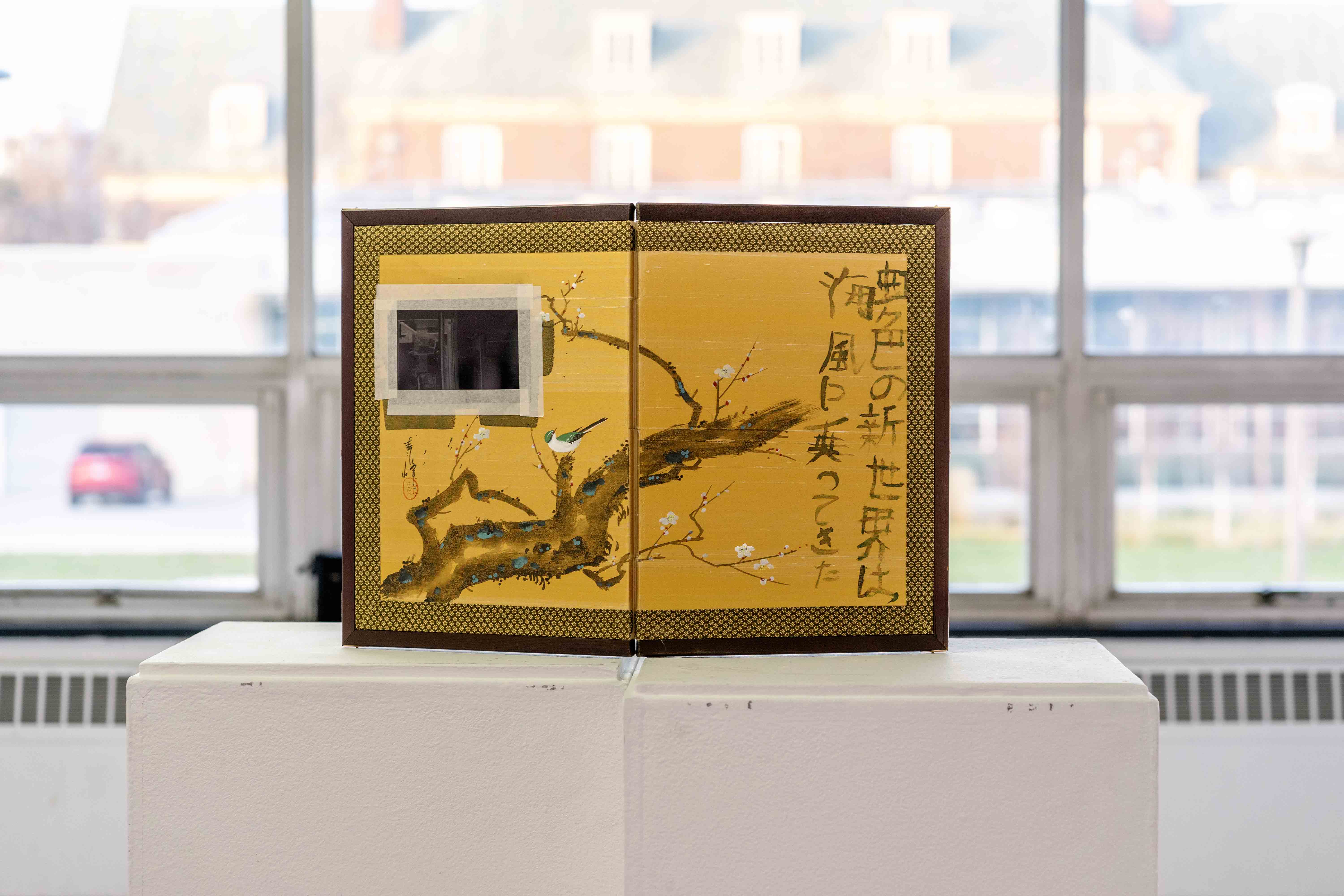
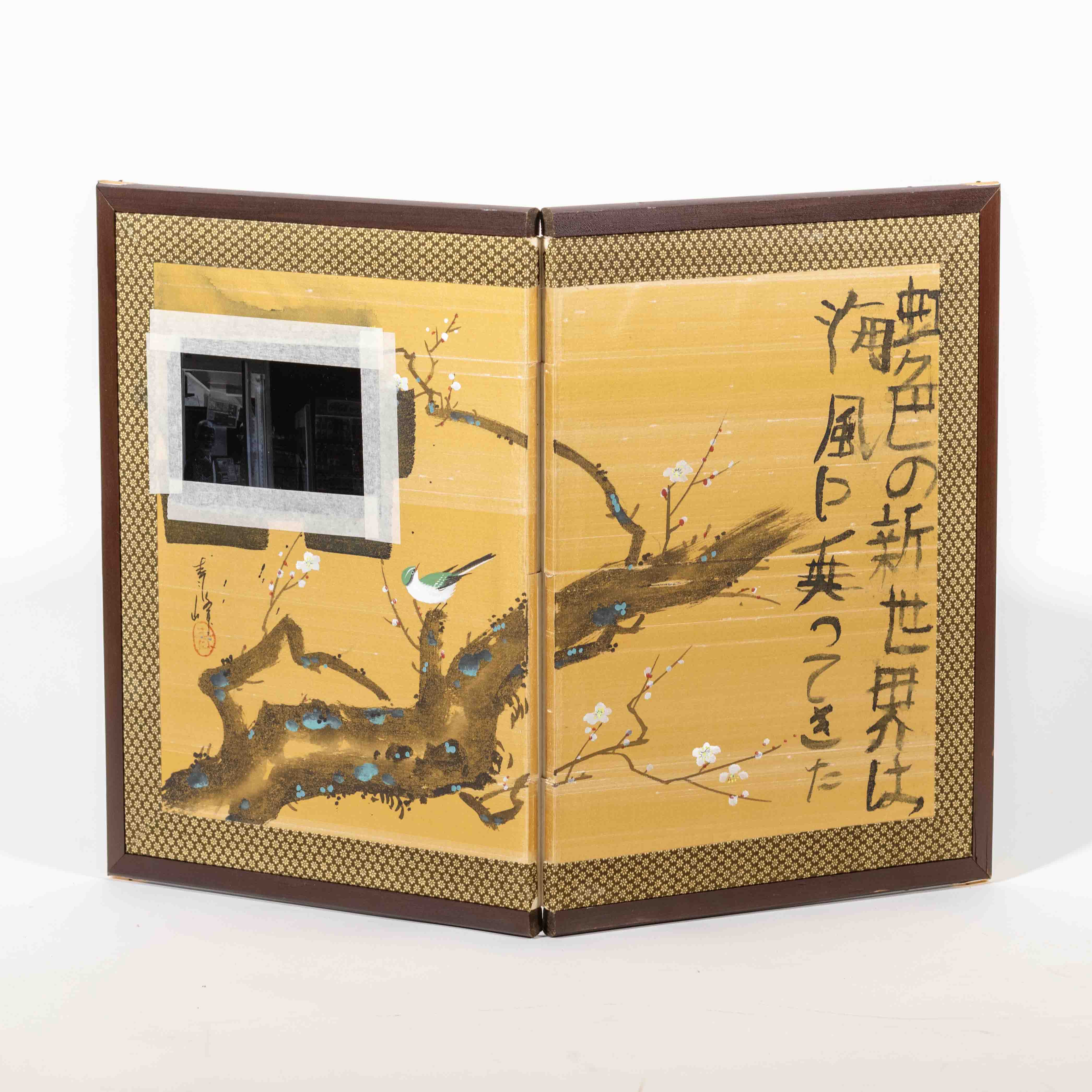
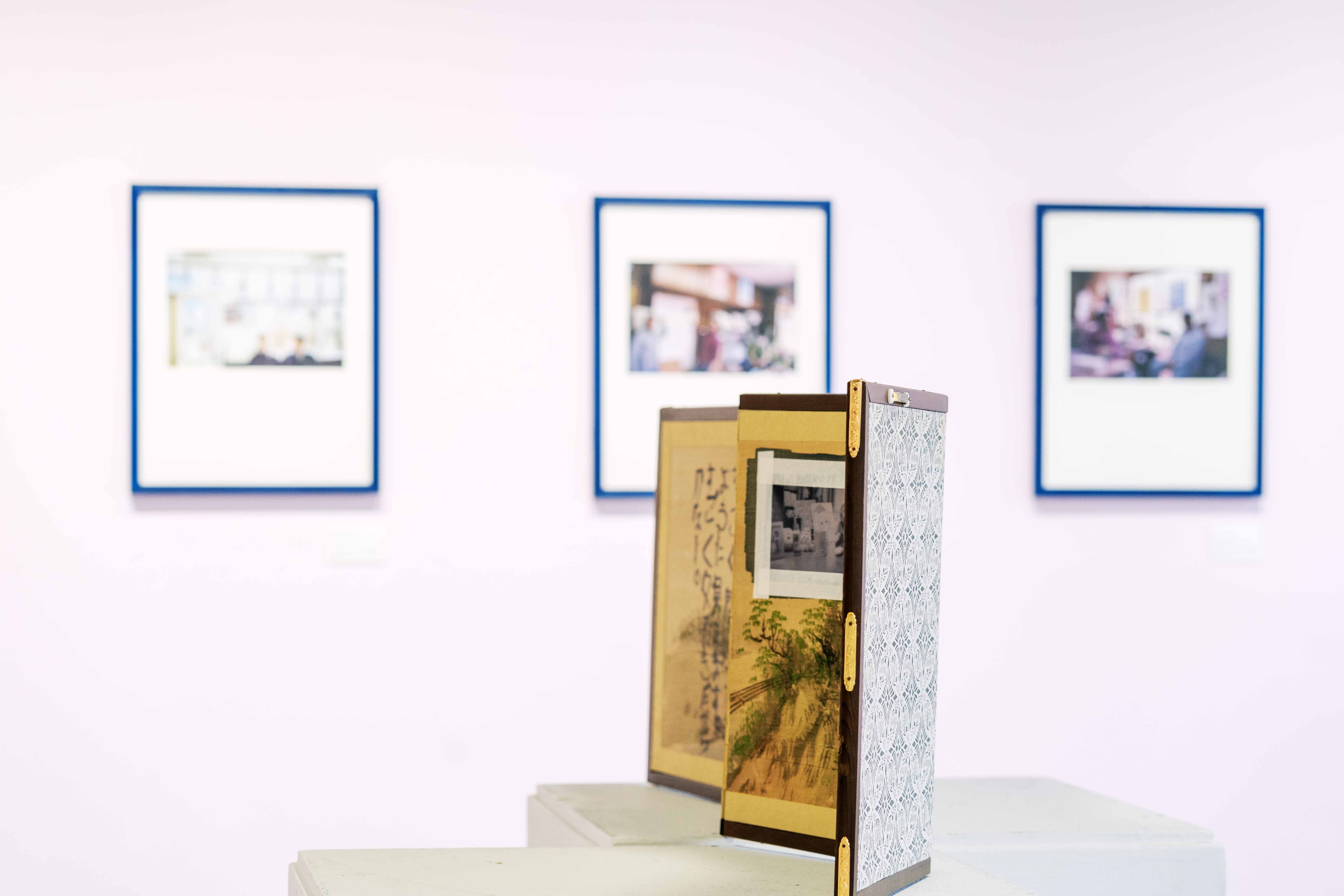
On a macro scale this project is about the failings of the Japanese government but on a micro scale it is about their relationships. It is rare to have someone photograph you and your partner in an intimate and vulnerable state; they are the type of images that I cherish most. Still, though, what business is it of mine to have made this project? Why, as a straight white American man, am I interested in photographing gay Japanese and Taiwanese men? My mother grew up in Japan and lived there until she was 18, the child of two American Baptist missionaries. As a child in my mother’s home, I was surrounded by Japanese prints, movies, food, and language. Visiting Japan and learning Japanese has always felt natural. Nonetheless, it is uncomfortable to know that my interest in Japan originally stems from American mission work. With that in mind, I felt that I had a responsibility to work on something significant while studying abroad in Japan, which led me to creating this project. I have expressed these conflicting feelings through two silk screens which feature images of each couple and a poem one of them wrote to their respective partner, written in cyanotype ink. The English translation of each poem can be found below. These silk screens were bequeathed to me by my grandmother when she passed away a few years ago, I feel that repurposing them for this exhibition is a healthy way of expressing my uncertainty towards mission work while being thankful for the interest in Japan I have received as a result.
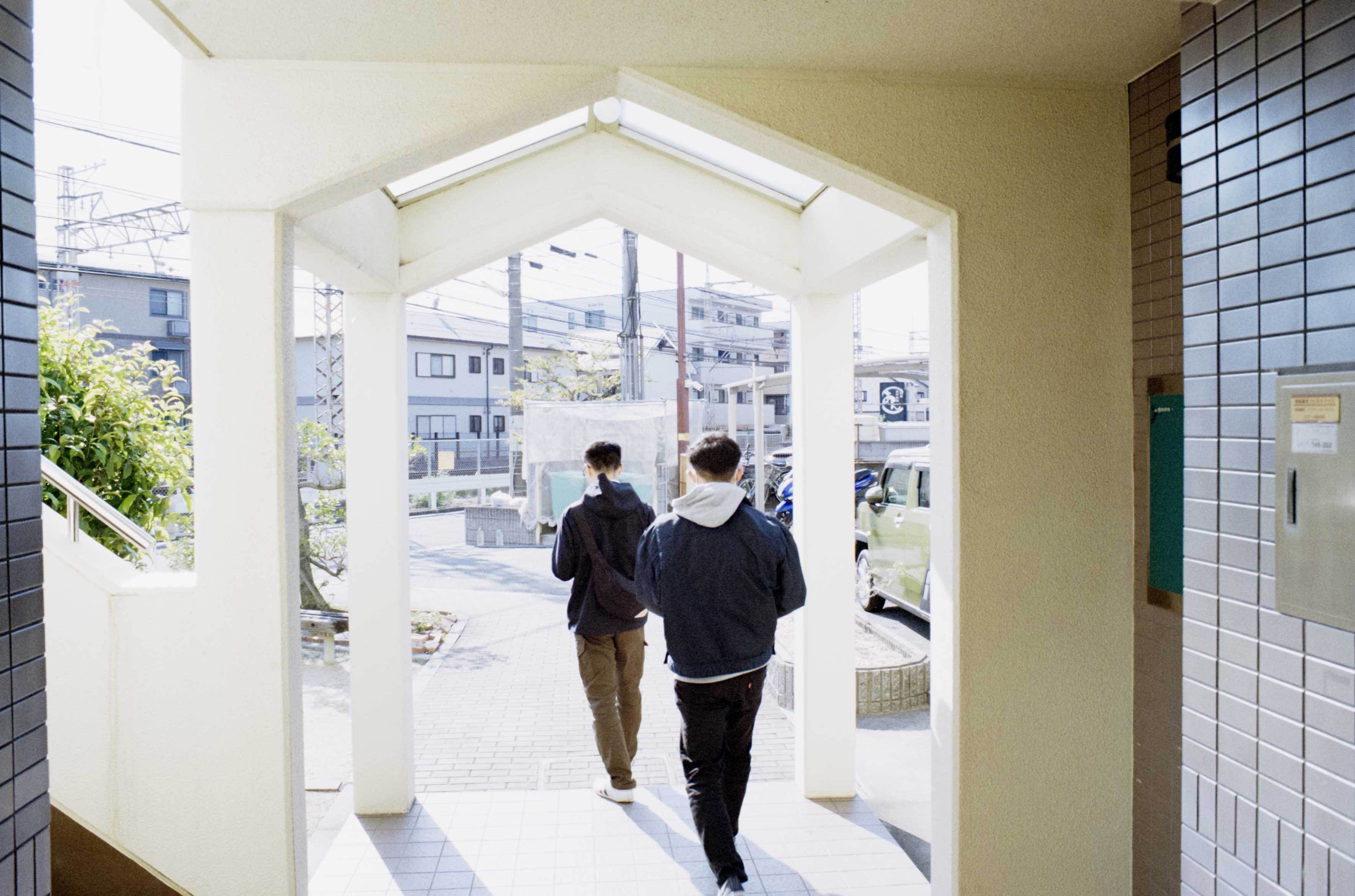
Couple #1: Haruka (they/them) and Maru (he/him)
My name is Haruka, I am a non-binary gay person born in Hiroshima. I love my job caring for people with disabilities. I’m currently aiming to start a company that plans trips and donates to people with disabilities. I want to travel to Korea and Vietnam. Maru and I live in a rented house. When we introduce each other to someone, we say “partner.” We met in Osaka while I was studying sexual minorities.
Poem to Maru: Haru-san and Maru-san are like pieces of a puzzle that don’t fit together. Sometimes they are far away and hidden from view. We seem to be very concerned about society. Maybe it’s because I like it so much. However, there are times when we live completely ignoring society. Maybe it’s because I hate it so much. Haru-san and Maru-san may think of each other as people who are like a futon that you put on when you don’t want to get hurt.
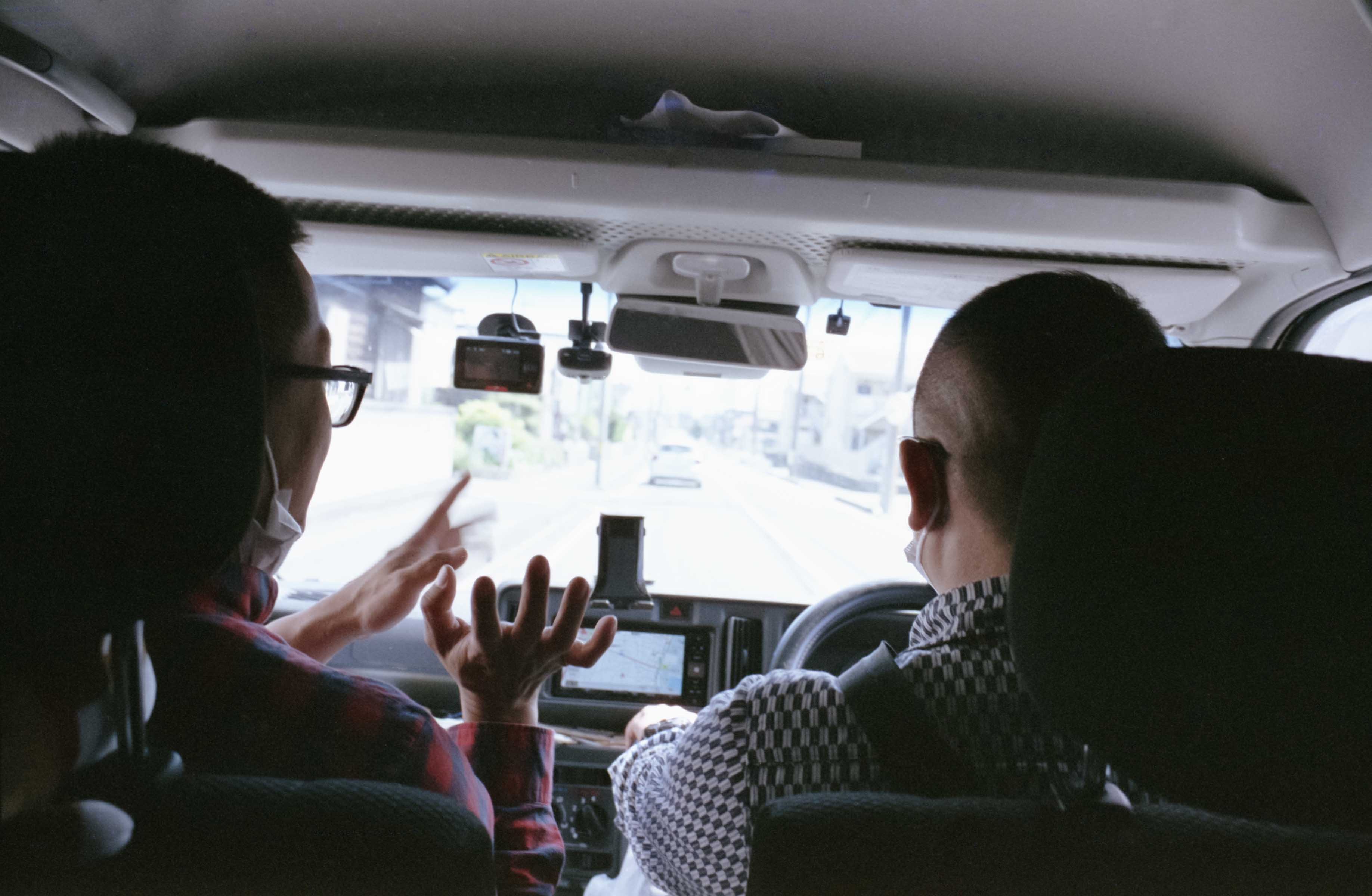
Couple #2: Cookie (he/him) and Masa (he/him)
Ariel Ling-chun LIU (Cookie) was born in 1985 in Miaoli Prefecture, Taiwan. I was subjected to severe domestic violence by my father and stepfather from the age of 4 to 23, and the trauma remains to this day. I discovered that I was gay in high school. I was worried about a lot of things, but with the help of many people, I was able to somehow become an adult. After entering university, I participated in student movements and gender movements while studying Japanese literature. I came to Japan in 2013, completed by Ph. D., and now teach Taiwanese literature and Chinese at a university, as well as campaigning to educate the public about gender equality and democratic politics. I would like to do my best so that everyone can live a free and happy life.
SHIBAGUCHI Masahiro (Masa) was born in 1969 in Mie Prefecture, Japan. When I was in third grade, I realized I was gay. I didn’t want anyone to know about this, and I lived my life without revealing it to anyone. As a result, I never experienced any discriminatory behavior from other people, and I never had to worry about being gay myself. And I thought it would last forever. However, something happened that changed my life, I met Cookie. Learning about his way of life gave me the courage to change my way of life. As a result, I felt a feeling that I had never felt before, and my future expanded greatly. I came out as gay and became a city council member. From now on, as a city council member, I would like to do as much as I can for people like me who are unable to disclose that they are gay, and for those who suffer discrimination.
The two of us met through a matching app, but we had similar political views, and we started to listen to lectures and eat delicious food together, and in 2021 we started living together. In April of this year, Masa announced that he was gay, ran for city council, and was elected. Furthermore, on August 11th, he registered his marriage in Taiwan, making him the first political figure in Japan to publicly announce same-sex marriage, which made headlines. However, the two of us would like to continue contributing to society while spending time quietly.
Poem to Masa: The rainbow-colored new world is riding the sea breeze.
In Exhibition
Flower Shops & Phone Booths was shown as a solo exhibition in The BLOC Gallery at the School of Art + Design from December 6th to December 11th, 2023 and in Artists' Alley from January 31st through March 15th, 2024.